How it unfolded
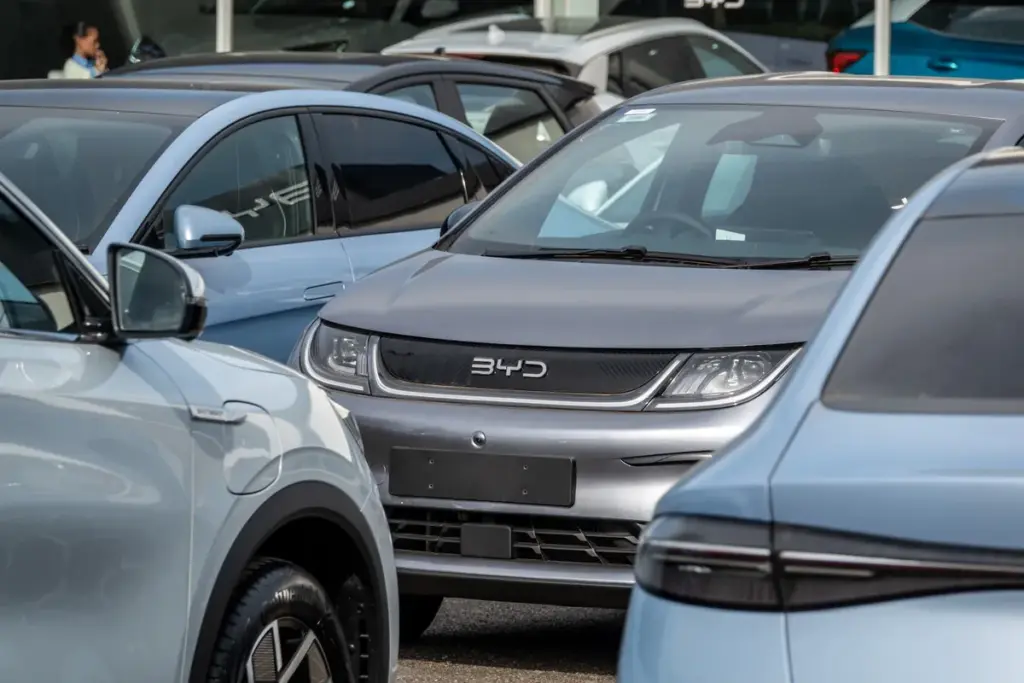
As the world increasingly shifts towards sustainable transportation, Canada is poised to welcome a new player in the electric vehicle (EV) market: BYD. Known as the world’s largest EV manufacturer, BYD has surpassed Tesla in production and is now setting its sights on the Canadian market. This development comes at a time when Canadians are eager for more affordable and diverse EV options.
In recent months, BYD announced plans to open 20 dealerships across Canada by 2026, marking a significant commitment to establishing a presence in the region. This move is particularly noteworthy as it aligns with Canada’s trade agreement with China, which permits the import of up to 49,000 Chinese EVs annually, subject to a 6.1% tariff. This framework not only facilitates BYD’s entry into the market but also sets the stage for a competitive landscape.
BYD’s lineup for Canada includes several models that promise to cater to various consumer needs. The smallest EV in their range is expected to be priced around $25,000, making it an attractive option for budget-conscious buyers. The BYD Dolphin, anticipated to be priced close to $31,000, is also generating excitement among potential customers. For those seeking a more premium experience, the Atto 3 is projected to retail around $42,000, while the Seal could start at approximately $49,000.
These prices are competitive when compared to existing options in the market. For instance, the BYD Dolphin Surf, which costs around 63,800 Chinese yuan (approximately $12,870) in China, is expected to be priced significantly higher in Canada, reflecting the costs associated with importation and tariffs. In the U.K., the same model retails for £18,675 (around $34,500), showcasing the variations in pricing across different markets.
As BYD prepares for its Canadian launch, industry experts are optimistic about the impact of Chinese EVs on the local market. “Canadians are about to see mass-market Chinese electric vehicles on the roads for the first time,” a representative noted, highlighting the anticipation surrounding this development. The rapid success of Chinese EVs in other markets, such as the U.K., has set a precedent, with many brands entering with competitive pricing and attractive financing options.
However, details remain unconfirmed regarding the exact pricing and formal on-sale dates for BYD’s vehicles in Canada. Additionally, the influence of federal incentives on BYD’s pricing strategy remains unclear, leaving potential buyers eager for more information. As the landscape evolves, it will be essential for BYD to navigate these uncertainties while maintaining its commitment to affordability and quality.
In conclusion, BYD’s entry into the Canadian market represents a significant shift in the EV landscape. With plans for extensive dealership openings and a range of competitively priced vehicles, the company is well-positioned to make a lasting impact. As Canadians look to embrace electric mobility, BYD’s offerings could play a crucial role in shaping the future of transportation in the country.