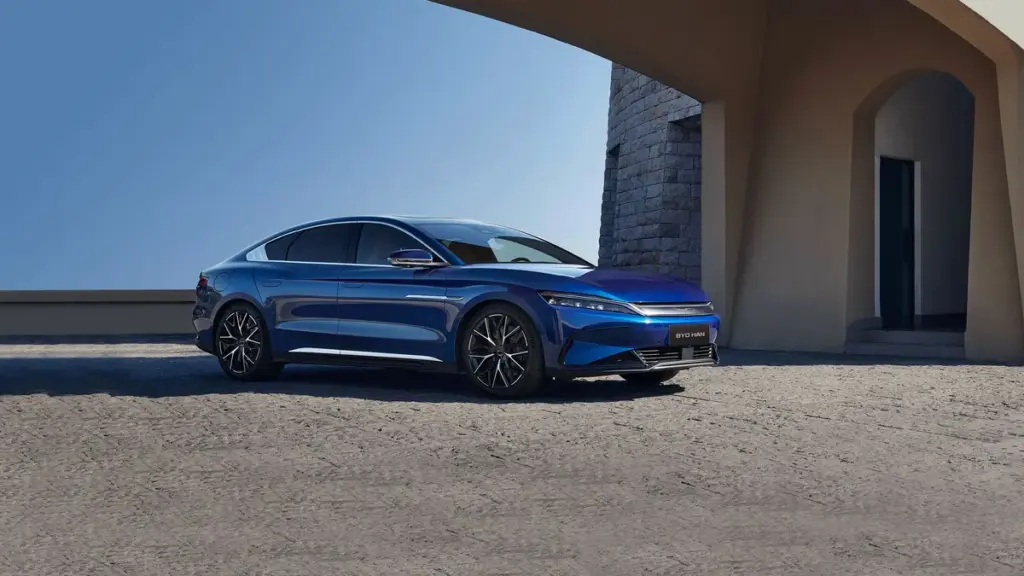
How it unfolded
In 2024, Canada imposed a 100% tariff on electric vehicles imported from China, a significant barrier for companies like BYD, Chery, and Geely. This tariff was aimed at protecting the domestic automotive industry but also limited the availability of affordable electric vehicles for Canadian consumers. However, in early 2026, the Canadian government announced a substantial reduction of this tariff from 100% to 6.1%, paving the way for a more competitive market.
The revised tariff framework allows for the import of up to 49,000 Chinese-built electric vehicles (EVs) annually, with plans to increase this cap to 70,000 by 2030. This change has sparked interest among Chinese automakers, particularly BYD, which has been actively preparing to enter the Canadian market. Jason Zhao, a representative from BYD, stated, “We expect the vehicles will start landing by the end of this year,” indicating that the company is on track to launch its sales operations soon.
BYD has taken significant steps to establish its presence in Canada. The company has registered its manufacturing plants located in Shenzhen and Xi’an with Transport Canada, which is a crucial step in complying with local regulations. Furthermore, BYD is exploring the possibility of local production in Canada but has expressed that it is not interested in forming a joint venture, as noted by Stella Li, a senior executive at the company, who remarked, “I don’t think a JV will work.” This indicates BYD’s intent to maintain control over its operations while potentially benefiting from local production capabilities.
As part of its broader strategy, BYD aims to sell over 1.3 million vehicles overseas by 2026. This ambitious target reflects the company’s commitment to expanding its global footprint, especially in North America. However, the company faced challenges earlier in 2026, with a reported 41% decline in sales compared to the previous year, highlighting the competitive nature of the automotive market and the impact of economic conditions.
In addition to its sales strategy, BYD is also evaluating potential acquisitions of established automakers, which could further enhance its market position. Stella Li mentioned, “We’re open to every opportunity we have,” suggesting that BYD is actively seeking ways to strengthen its presence in the global automotive landscape.
As the situation stands, BYD, along with its competitors Chery and Geely, is poised to enter the Canadian electric vehicle market by the end of 2026. The reduction in tariffs has created a more favorable environment for these companies to introduce their products to Canadian consumers. However, details remain unconfirmed regarding BYD’s potential manufacturing facility in Canada, leaving some uncertainty about the company’s long-term plans.
The entry of these Chinese automakers into the Canadian market is significant for several reasons. It not only increases competition in the EV sector but also provides consumers with more options for affordable electric vehicles. Additionally, the presence of companies like BYD could stimulate local job creation and investment in the automotive sector, contributing to Canada’s transition to a more sustainable transportation system.