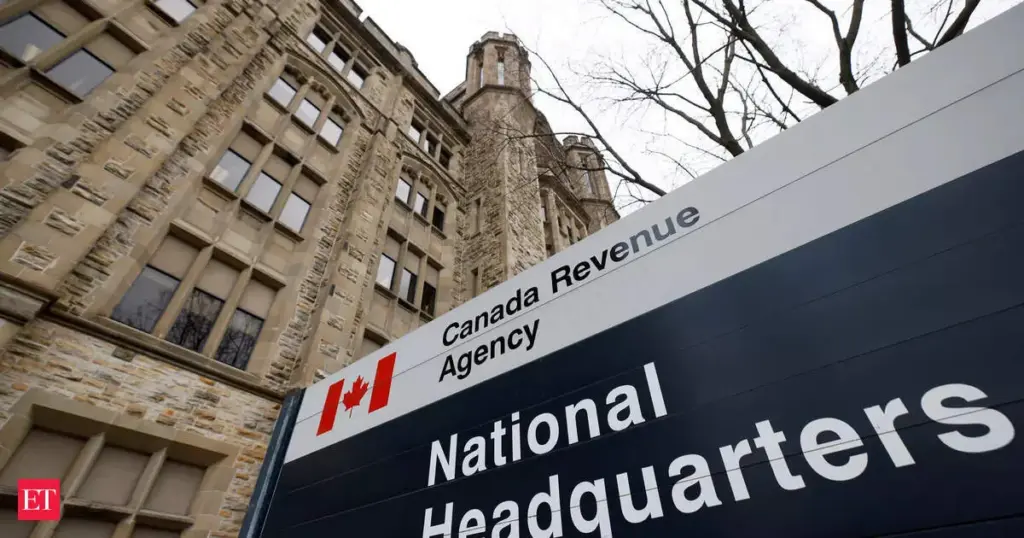
In British Columbia, expectations were straightforward: the Canada Revenue Agency (CRA) was supposed to process tax returns accurately. But that trust was shaken when Teresa Wallace received a staggering $5 million tax refund based on an erroneous claim.
Wallace, who earned only $54,000 annually, claimed nearly $10 million in foreign income. The CRA issued a refund of $4,958,716.63 in May 2025 without proper verification. The agency had flagged the refund for manual review but failed to follow up.
Just two months after the refund was issued, the CRA identified the mistake. They found that one of the forms submitted by Wallace was invalid. As a result, she now owes a total of $7.9 million, including interest and penalties.
This incident has not only affected Wallace but has also raised significant concerns about the CRA’s oversight and verification processes. “The refund should never have been issued in the first place,” commented an insider familiar with the situation.
Moreover, this case is becoming a cautionary tale about systemic vulnerabilities within advanced tax systems. The CRA admitted that there was a breakdown in oversight—especially since the refund had been flagged for manual review before it was approved.
The fallout from this error is extensive. Legal and recovery proceedings are underway as authorities track assets linked to the erroneous payout. The CRA is now reviewing its internal processes to prevent similar incidents in the future.
Experts suggest that strengthening review processes for large refunds and introducing stricter validation checks could be vital steps forward. “This incident highlights a breakdown in oversight,” they noted, emphasizing the need for improved monitoring of similar cases.
As this story continues to develop, it serves as a reminder that even established systems can face unexpected failures—affecting not just individuals like Wallace but also public trust in governmental agencies.