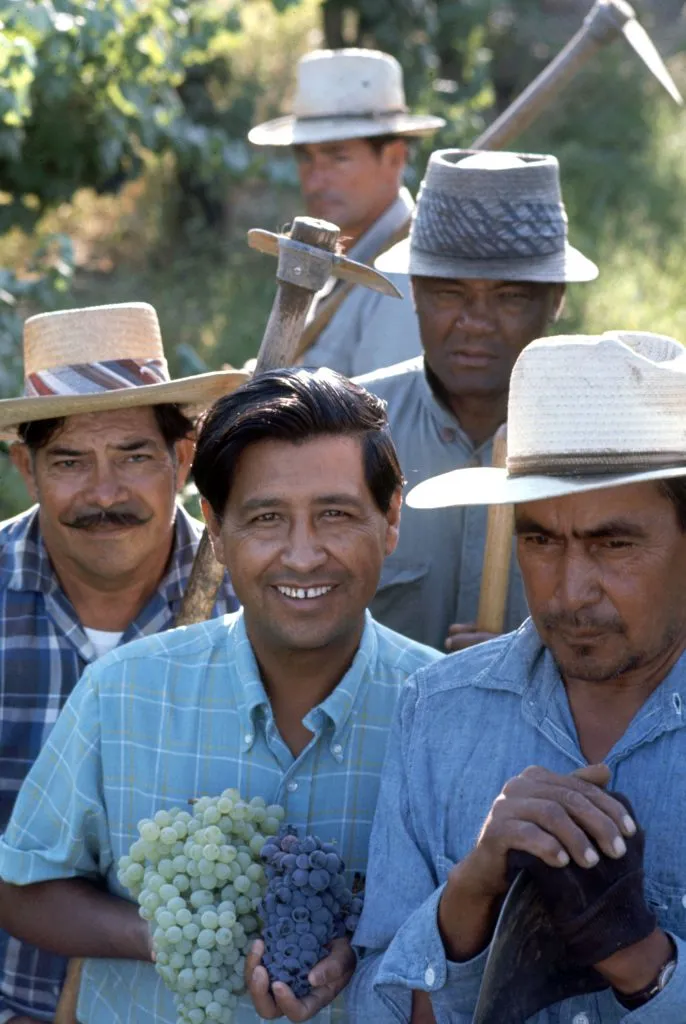
Recent developments surrounding Cesar Chavez, the co-founder of the United Farm Workers (UFW) and a prominent civil rights leader, have brought significant attention to allegations of sexual misconduct. Just before the allegations surfaced, Chavez was celebrated for his contributions to labor rights and social justice.
In a shocking revelation, Dolores Huerta, a key figure in the labor movement, accused Chavez of sexually assaulting her in the 1960s. Huerta stated that she felt manipulated and pressured into having sexual encounters with Chavez, which resulted in pregnancies she kept secret. This revelation has prompted a reevaluation of Chavez’s legacy.
The UFW, in light of these allegations, has canceled planned celebrations honoring Chavez. They stated that the allegations are incompatible with the organization’s values. The foundation established in his name is now working on a process for victims to share their experiences, highlighting the seriousness of the claims.
Huerta expressed her struggle with these memories, stating, “I carried this secret for as long as I did because building the movement and securing farm worker rights was life’s work.” This statement underscores the conflict many feel between Chavez’s contributions to labor rights and the serious nature of the allegations against him.
Furthermore, prominent Latino groups have condemned Chavez, discussing the potential renaming of streets and holidays that honor him. This reflects a broader societal reckoning with historical figures whose legacies are now being scrutinized in light of new information.
The allegations include testimonies from women who claim Chavez molested and raped them as minors, further complicating his legacy. The UFW has stated that these allegations are profoundly shocking and that they need time to address the situation appropriately.
Chavez, who died in 1993 at the age of 66, gained prominence through boycotts and fasts advocating for migrant workers’ rights. However, his legacy has been increasingly tarnished due to various controversies, including these recent allegations.
As discussions continue, there are questions about potential legal claims against the UFW, which could have lasting implications for the organization and its mission. The Cesar Chavez Foundation has acknowledged that Chavez engaged in inappropriate sexual behavior during his time as president of the UFW.
As the situation develops, the impact of these allegations on Chavez’s legacy and the future of the UFW remains uncertain. Details remain unconfirmed, but the discourse surrounding these revelations is likely to continue as more individuals come forward.