Who is involved
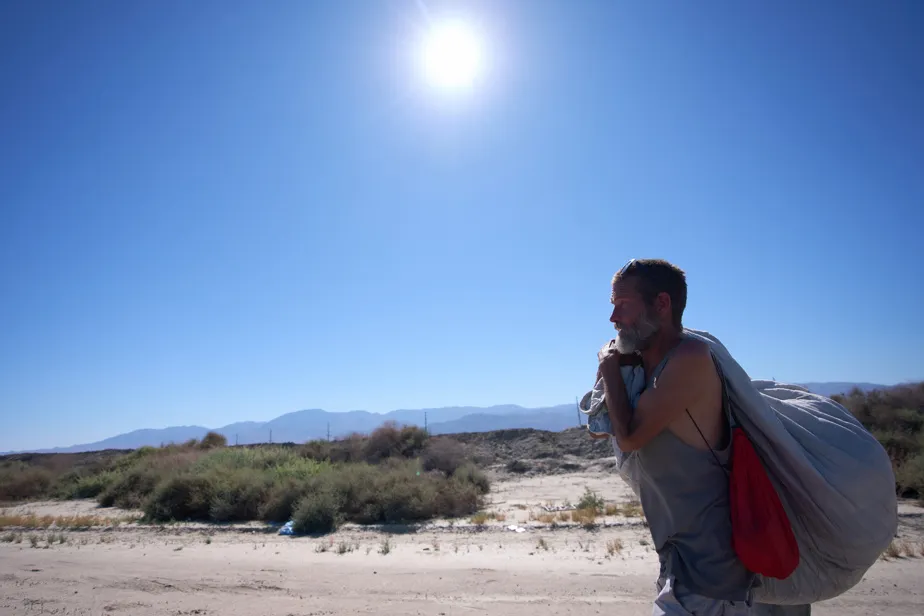
The Southwest United States is currently grappling with a significant heat wave that has shattered temperature records for March. Just a few weeks ago, residents were enjoying relatively cooler temperatures, but the sudden shift has left many unprepared for the extreme conditions. This year marks the first major heat wave, with temperatures soaring to a staggering 43.3 degrees Celsius in Arizona, a record for the month.
The National Weather Service has issued extreme heat alerts for parts of Southern California and Arizona, warning residents to take precautions. The heat wave is not just a fleeting event; it is part of a larger trend that has seen the U.S. experience a 77% increase in heat records since the 1970s. This alarming statistic underscores the growing frequency and intensity of extreme weather phenomena, which experts link directly to climate change.
As the heat wave progresses, temperatures are expected to reach 41.6 degrees Celsius this weekend, further challenging the community’s ability to cope. Local residents, many of whom are still adjusting from the cooler months, are now faced with the daunting task of managing their health and well-being in these sweltering conditions. Rose Schoenfeld, a local climate expert, noted, “This is the first major heat wave of the year… which comes after periods of cooler temperatures. The population is therefore not yet accustomed.” This sudden transition has raised concerns about heat-related illnesses and the strain on local resources.
The direct effects of this heat wave are being felt across various sectors. Public health officials are urging residents to stay hydrated and avoid outdoor activities during peak heat hours. Schools are adjusting schedules to accommodate the extreme temperatures, and community centers are opening their doors as cooling stations for those in need. The local economy is also impacted, as businesses adapt to changing customer behaviors and the increased demand for cooling products.
Experts emphasize that the current heat wave is not an isolated incident but rather a symptom of a larger climate crisis. Clair Barnes, a climate scientist, stated, “What we can say for certain is that human-induced warming has increased the temperatures we are observing due to this heat dome.” This perspective highlights the urgent need for communities to address the underlying causes of climate change while also preparing for its immediate impacts.
Furthermore, the increase in extreme weather events has doubled in the last five years compared to two decades ago, making it imperative for communities to develop resilience strategies. Friederike Otto, another climate expert, remarked, “The extreme heat events are becoming more frequent and intense due to climate change.” This reality calls for a collective response from local governments, organizations, and residents to adapt to the changing climate.
As the community navigates this unprecedented heat wave, the focus remains on safety and support. Local leaders are working tirelessly to provide resources and information to help residents cope with the heat. The sense of community is palpable, as neighbors check in on one another and share tips for staying cool. In these challenging times, the bonds formed through shared experiences can be a source of strength and resilience.
Details remain unconfirmed regarding the long-term implications of this heat wave, but one thing is clear: the Southwest United States is at a critical juncture in addressing the challenges posed by climate change. As temperatures rise, so too does the need for collective action and community solidarity in the face of adversity.