Key moments
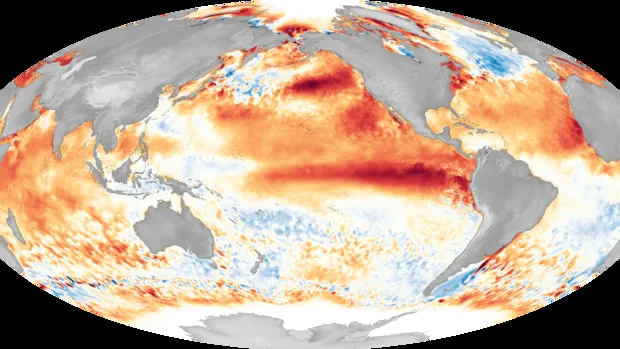
As Canada prepares for the onset of a significant El Niño event projected to begin in June 2026, communities across the nation are bracing for the potential impacts. This climatic phenomenon, characterized by warmer than average surface waters in the eastern tropical Pacific, is expected to influence weather patterns globally, including in Canada.
The forecasts indicate that this upcoming El Niño could be particularly strong, with an average temperature anomaly of 2.4°C expected. Historical data shows that the last strong El Niño occurred during the 2015-2016 period, where ocean temperatures reached approximately 2°C above average. The strongest El Niños in recent history were recorded in 1997-98 and 2015-16, raising concerns about the potential for extreme weather events.
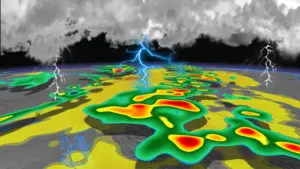
In Canada, the implications of a strong El Niño could be profound. Experts warn that it may lead to extreme heat and exacerbate wildfire seasons, particularly in the western provinces. Anthony Farnell, a prominent meteorologist, noted, “If you do get hot weather, a lot of lightning strikes, that could lead to more fires.” This concern is heightened as the country has already faced challenging weather conditions in recent years.
Looking ahead, the spring forecast for 2026 suggests wetter conditions in eastern Canada while the Prairies may experience drier weather. Interestingly, April 2026 is anticipated to be colder than normal for much of the country, a stark contrast to the heat expected later in the year. Such fluctuations highlight the unpredictable nature of climate patterns influenced by El Niño.
The polar vortex has also played a role in shaping winter conditions in Canada, leading to a tougher winter than usual in early 2026. As communities adapt to these changes, the importance of preparedness becomes increasingly clear. Zeke Hausfather, a climate scientist, remarked, “It seems like we’re in for a strong [El Niño] with a chance of a super strong El Niño event,” emphasizing the need for vigilance.
While the potential impacts of the upcoming El Niño are being closely monitored, details remain unconfirmed regarding its exact influence on specific weather patterns across Canada. The last strong El Niño brought a record hurricane year in the central North Pacific and severe drought in regions like Ethiopia, serving as a reminder of the far-reaching effects of this climatic event.
As the forecasted peak of this El Niño is expected to occur in November 2026, communities are encouraged to stay informed and prepared for the changes ahead. The year 2026 is projected to be among the hottest on record, with climate change continuing to exacerbate the situation. With 90 percent of excess heat from greenhouse gases trapped by oceans, the urgency for action and awareness has never been more critical.
In the face of these challenges, Canadians are urged to come together as a community, sharing resources and knowledge to navigate the potential impacts of El Niño. As we look forward to the coming years, the resilience and adaptability of our communities will be vital in addressing the changes that lie ahead.