Introduction
The forecast for spring 2023 in Canada indicates a notably chilly season ahead, which is important for residents and businesses alike. As warmer weather typically signals the end of winter and the beginning of outdoor activities, a colder-than-expected spring could affect agricultural plans, tourism, and general lifestyle choices across various provinces.
Current Forecast Insights
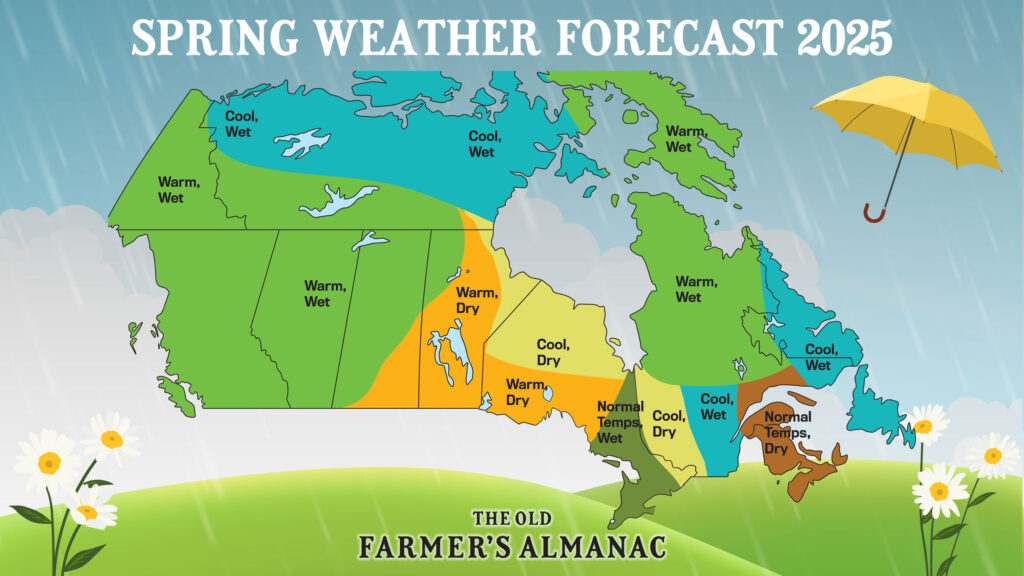
According to meteorological reports from Environment and Climate Change Canada, temperatures across the country are expected to remain below average for much of the spring season, particularly in the Prairie provinces—Alberta, Saskatchewan, and Manitoba. This is believed to be influenced by lingering effects of a colder winter, combined with ongoing La Niña conditions.
The long-range forecast predicts that parts of British Columbia and Atlantic Canada may experience slightly warmer conditions; however, overall, Canadian spring temperatures may be 3 to 5 degrees Celsius below the norm. This variation is likely to impact different regions within Canada, with northern areas experiencing the most significant chill.
Impacts on Agriculture and Environment
The chilling temperatures forecasted may disrupt the planting seasons for farmers, who are traditionally eager to plant crops by late April. Farmers in southern Ontario and Quebec may find themselves delayed, potentially affecting crop yields. Experts advise agricultural stakeholders to stay alert to weather updates and adapt their planting schedules accordingly to mitigate potential losses.
Effects on Daily Life and Activities
A chilly spring is also likely to affect the tourism industry. Outdoor festivals and events might see lower turnout as Canadians may opt to stay indoors if the temperatures remain unseasonably low. Furthermore, winter sports enthusiasts may find extra time to enjoy activities like skiing and snowboarding, potentially boosting visits to winter sports resorts.
Conclusion
The chilly spring forecast for Canada in 2023 serves as a reminder of the nation’s dynamic climate and its potential impacts. While some Canadians may feel disappointed by the delayed warmth, the colder spring could lead to changes in farming routines and alter leisure activities. Residents are encouraged to prepare for the season by staying informed about weather conditions and planning accordingly for both agricultural and recreational activities.