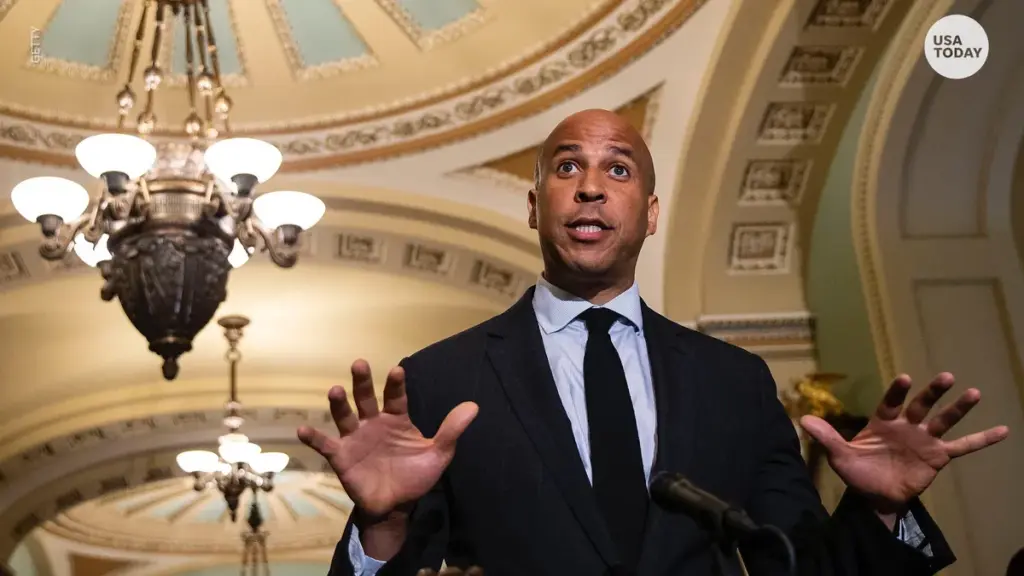
Reaction from the field
Cory Booker has raised significant concerns regarding the implications of unchecked presidential war powers, particularly in the context of the ongoing military engagement in Iran. He criticized both political parties for enabling this situation, stating that the military campaign represents the largest military engagement since the war in Afghanistan. This critique comes amid a backdrop of escalating tensions and military actions that have resulted in the tragic loss of American lives.
As of March 15, 2026, the conflict in Iran has resulted in the deaths of 13 US military members, a stark reminder of the human cost associated with such military operations. Booker emphasized the gravity of the situation, noting that the US Senate recently rejected a war powers resolution in a narrow 47-53 vote, which he believes reflects a failure of Congress to assert its authority in matters of war.
In his statements, Booker highlighted that the strait of Hormuz has been closed for two weeks, further complicating international relations and trade. He described the military engagement in Iran as a massive undertaking that is costing American taxpayers billions of dollars. This financial burden, coupled with the loss of life, has prompted Booker to call for a reevaluation of how military powers are exercised by the presidency.
“I think both parties have been feckless in allowing the growth of the power of the presidency,” Booker stated, expressing his frustration with the lack of accountability. He pointed out that previous presidents have strayed from the intended limits on their power to engage in military actions without congressional approval.
Booker also voiced concerns that the current administration’s actions could potentially lead to military engagements in other regions, specifically mentioning Cuba and North Korea. This escalation of military involvement raises questions about the long-term strategy and objectives of US foreign policy.
“This is a massive military undertaking, costing American taxpayers billions and billions of dollars and tragically costing 13 lives,” Booker remarked, underscoring the urgent need for a more balanced approach to military engagement. His comments resonate with a growing sentiment among some lawmakers and citizens who are advocating for a return to a more collaborative decision-making process regarding military actions.
As the situation in Iran continues to evolve, the implications of these military actions remain uncertain. Details remain unconfirmed regarding the potential for further military engagements or the long-term impact on US foreign relations. The discourse surrounding presidential war powers is likely to intensify as lawmakers grapple with the consequences of current military strategies.
In light of these developments, Cory Booker’s critiques serve as a call to action for both parties to reconsider their stance on war powers and the role of Congress in military decision-making. The ongoing conflict in Iran may very well shape the future of US military policy and the balance of power between the presidency and Congress.