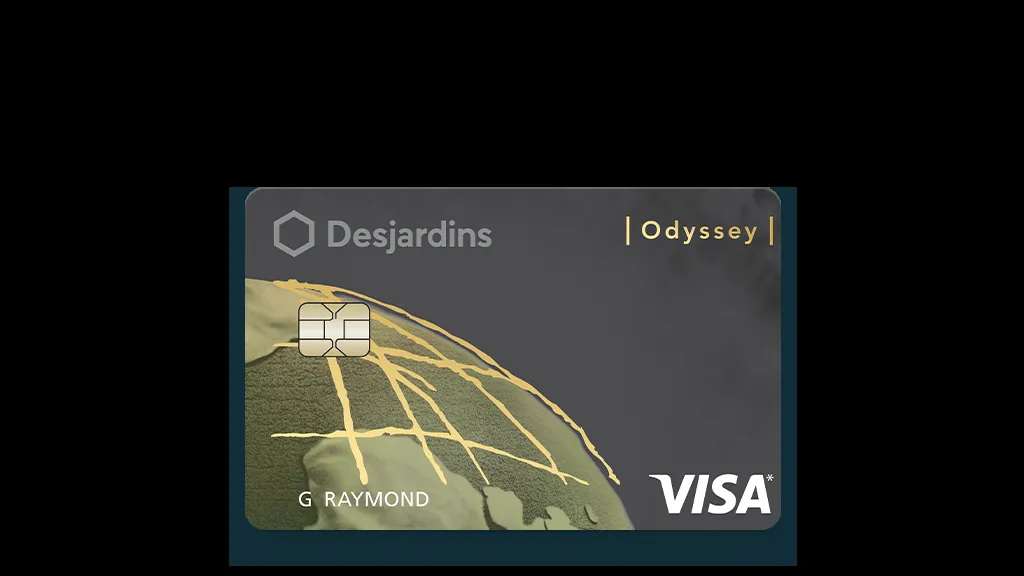
The offer of shared credit cards has existed for a long time before the changes were announced. However, on June 10, 2026, Desjardins will implement a new structure for these accounts, introducing a principal holder and an additional holder. This change will affect over 10% of all accounts at Desjardins.
Under the new system, the principal holder will be responsible for the debt and will build a credit history, while the additional holder will have limited rights and will not accumulate a credit history. This shift has raised significant concerns regarding financial autonomy and the power dynamics within couples who share credit.
Johanne Leblanc, a budget adviser, expressed her concerns, stating, “C’est particulier comme procédure. On ne consulte pas personne et on change les habitudes.” She highlighted the potential for abuse of control over information, as the principal holder can choose what details to share with the additional holder.
Moreover, the designation of principal and additional holder cannot be changed after the initial setup, which may redefine the relationship between partners without their consent. Observers note that this structural change alters the balance of power without requiring a new agreement between the parties involved.
As Leblanc pointed out, “If one person alone can see full transactions, bear the debt, and build the credit record, then the card is no longer simply shared in the same way it was before.” This sentiment reflects a broader concern that the new system could lead to an imbalance in financial decision-making.
Desjardins has modernized its credit card system, but the implications for household budgeting are significant for couples using shared credit. The changes may prompt clients to seek alternative products due to the loss of symmetry in shared credit.
Financial experts warn that these adjustments are not merely niche changes, but rather a fundamental shift in how shared credit is managed. As the community grapples with these developments, many are left wondering how these changes will affect their financial relationships.
Details remain unconfirmed regarding the full extent of the impact on existing accounts and how clients will adapt to this new structure. The conversation around financial autonomy and shared responsibility is likely to continue as more individuals become aware of these changes.