Introduction
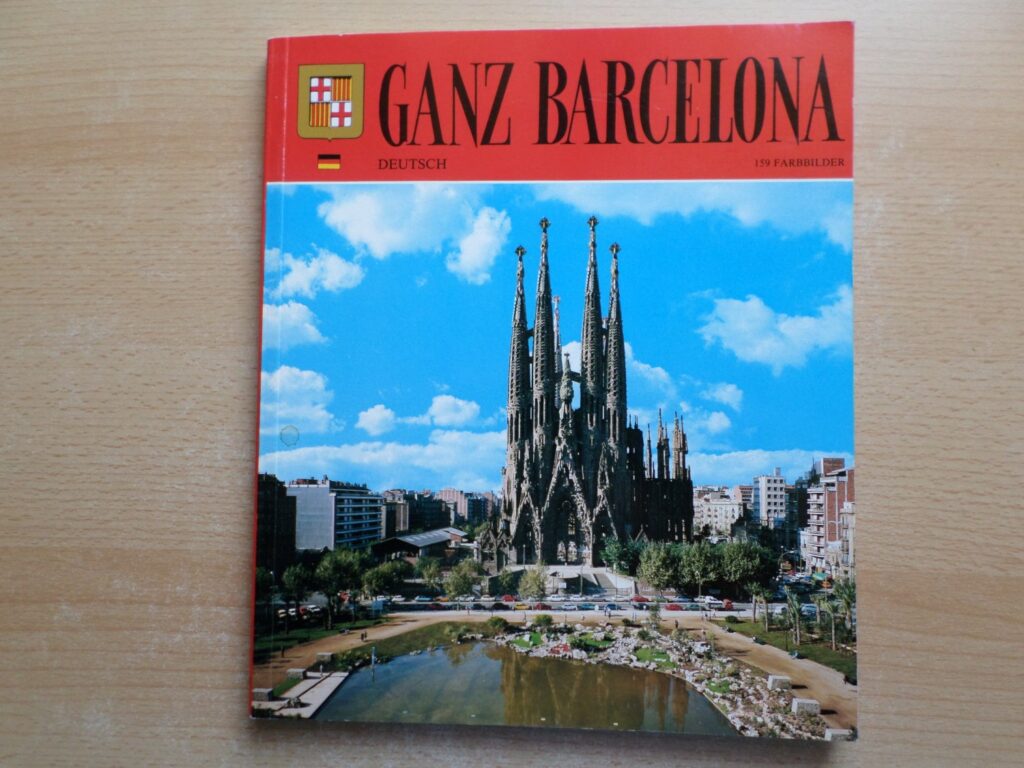
Barcelona, the capital of Catalonia in Spain, is renowned for its unique architecture, rich history, and vibrant cultural scene. As one of Europe’s foremost tourist destinations, it offers a blend of ancient and modern attractions, from the iconic Sagrada Família designed by Antoni Gaudí to the bustling streets of La Rambla. Understanding Barcelona’s current developments and challenges is vital for tourists and locals alike, especially given the recent shifts in travel dynamics post-pandemic.
The Rebound of Tourism
Recently, Barcelona has seen a significant recovery in tourism, which is critical for the city’s economy. According to the Catalan Tourism Agency, the city welcomed approximately 8 million international visitors in 2023, a significant increase compared to the previous two years. This resurgence is attributed to various factors, including lifted travel restrictions, increased flight availability, and the hosting of international events such as the Mobile World Congress, which has returned after a hiatus. Furthermore, promotional campaigns targeting sustainable tourism have drawn travelers keen on responsible travel practices.
Cultural and Architectural Highlights
Barcelona is a UNESCO World Heritage site, boasting an eclectic mix of Gothic and Modernist architecture. Key attractions include the Gothic Quarter, where medieval buildings still stand strong, and Gaudí’s masterpieces, which continue to draw admiration from around the world. Recent renovations of the Plaça de Catalunya and improvements to the coastline have enhanced the city’s appeal as a destination for both leisure and cultural experiences. Additionally, the city’s various festivals, such as La Mercè and Primavera Sound, celebrate Barcelona’s rich artistic heritage and promote local artists, making it a vibrant place to visit year-round.
Current Challenges
Despite the positive trends, Barcelona faces ongoing challenges. Overtourism remains a significant issue, leading the local government to implement measures aimed at regulating visitor numbers, particularly in crowded areas like the Sagrada Família and Park Güell. Additionally, the city is grappling with issues related to housing affordability for residents, spurred in part by the increasing demand for short-term rentals in popular tourist districts.
Conclusion
Barcelona stands resilient in the face of recent challenges while continuing to charm visitors with its rich cultural tapestry. As the city moves forward, it seeks to balance the interests of residents and tourists, promoting sustainable practices to ensure that its beauty and vibrancy can be enjoyed for generations to come. The current trends suggest a bright future for Barcelona, one that honors its heritage while embracing modern tourism practices and infrastructure development.