Introduction
Easter Island, known as Rapa Nui to its indigenous inhabitants, is one of the most isolated inhabited islands in the world, located in the southeastern Pacific Ocean. Its unique cultural heritage, characterized by the enigmatic Moai statues and a rich Polynesian history, makes it a significant site for archaeologists and tourists alike. Understanding the complexities surrounding its preservation and cultural significance is vital, especially as global attention pivots toward sustainable tourism and cultural heritage conservation.
Historical Context
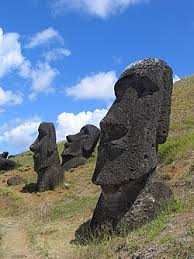
Easter Island was discovered by European explorers in 1722, but its history extends far beyond that event. The island is home to nearly 900 Moai statues, which were built between 1400 and 1650 CE by the Rapa Nui people. These monolithic figures are thought to represent ancestors and were central to the island’s tribal and religious rituals. However, the island faces various challenges, including deforestation, climatic changes, and the impacts of tourism.
Current Conservation Efforts
In response to rising concerns over environmental degradation and the effects of tourism, conservation efforts are being strengthened. In August 2021, the Chilean government, which administers the island, announced a new initiative aimed at balancing tourism and cultural preservation. This plan includes the establishment of the Rapa Nui National Park as a UNESCO World Heritage site, focusing on sustainable tourism strategies that aim to protect local ecosystems while allowing visitors to experience the island’s rich heritage.
Additionally, various NGOs and local organizations are working to educate both locals and visitors about the significance of preservation efforts. Programs aimed at restoring native plants and eradicating invasive species are gradually being implemented to restore the island’s ecosystem, which is crucial for sustaining both the cultural and environmental heritage.
The Role of Tourism
Tourism on Easter Island has surged over the past decade, leading to increased scrutiny about its sustainability. While the influx of visitors brings economic benefits, it also poses challenges regarding waste management, resource use, and cultural commodification. The Rapa Nui people are actively involved in shaping tourism policies to ensure that their cultural legacy is respected and that the benefits of tourism are equitably distributed.
Conclusion
The future of Easter Island hangs in a delicate balance between its rich cultural heritage and the pressures of modern tourism and environmental challenges. As stakeholders from the local communities, governments, and international organizations continue to collaborate on preservation initiatives, it is clear that a holistic approach is essential. By promoting sustainable practices, it is possible to protect Easter Island’s irreplaceable heritage while ensuring that it remains a vibrant part of the global community.