Introduction
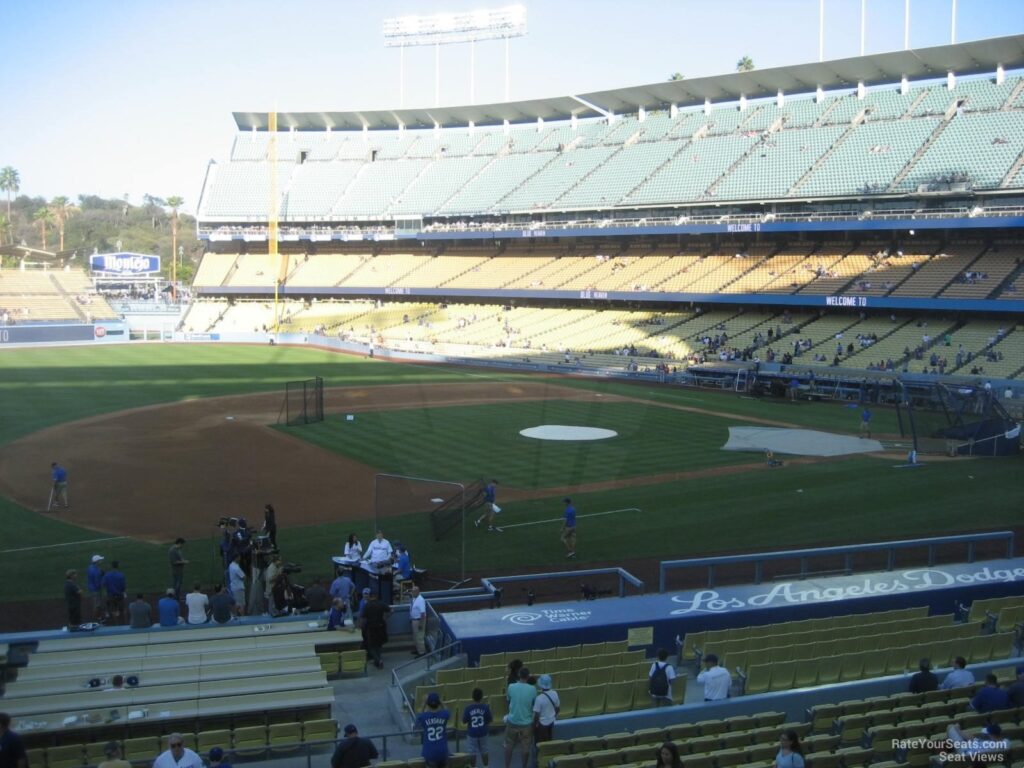
Dodger Stadium, located in Los Angeles, California, is not just an iconic baseball venue; it represents a significant part of American sports history. Since its opening in 1962, it has been the proud home of the Los Angeles Dodgers and is renowned for its unique architecture, breathtaking views, and rich tradition. As the largest capacity baseball stadium in the United States, Dodger Stadium holds an important place in the hearts of baseball fans, making it a relevant topic as discussions about sports venues and their cultural impact continue to grow.
Key Features of Dodger Stadium
With a seating capacity of 56,000, Dodger Stadium is the largest baseball park in Major League Baseball (MLB). Its design integrates the natural landscape, providing picturesque views of the San Gabriel Mountains and downtown Los Angeles. The stadium features spacious concourses, multiple dining options that showcase California cuisine, and an impressive array of fan experiences designed to enhance game-day enjoyment.
Renovations and Modernization
In recent years, Dodger Stadium has undergone multiple renovations to modernize its facilities while maintaining its classic charm. Notable upgrades include upgraded seating, enhanced sightlines, and state-of-the-art video boards, further improving the fan experience. As of 2023, a new centerfield plaza has been constructed, offering fans additional entertainment options, including live music and interactive displays.
Historic Moments
Throughout its 60-year history, Dodger Stadium has been the backdrop for some of baseball’s most historic moments. It has hosted numerous All-Star Games, National League Championship Series, and World Series bouts. Legendary players, including Sandy Koufax, Kirk Gibson, and Fernando Valenzuela, have graced its diamond, making it a storied site for baseball enthusiasts.
Community Engagement
Dodger Stadium is also known for its efforts to engage with the community. The Los Angeles Dodgers Foundation has been involved in various initiatives to support local youth and underserved communities through education and sports programs. Events such as Dodgers Dreamfields aim to improve baseball fields across the region, cultivating the next generation of players and fans.
Conclusion
As Dodger Stadium continues to evolve, its significance remains as strong as ever. With modernization efforts ensuring its relevance in the fast-changing sports landscape, the stadium will remain a central hub for baseball culture and a beloved landmark in Los Angeles. For fans, players, and the community alike, Dodger Stadium embodies a connection to the rich heritage of baseball in America and is poised to lead the way into the future.