Changing Expectations
Before the recent developments, U.S.-Cuba relations were characterized by a cautious thaw initiated during the Obama administration. This period saw the easing of travel restrictions and the re-establishment of diplomatic ties after decades of hostility. However, under the Trump administration, expectations shifted dramatically as the focus returned to a more hardline approach. The Cuban government, reliant on oil from Venezuela and facing severe economic pressure from the U.S., appeared to be in a precarious position, yet the prospect of significant change seemed distant.
A Decisive Moment
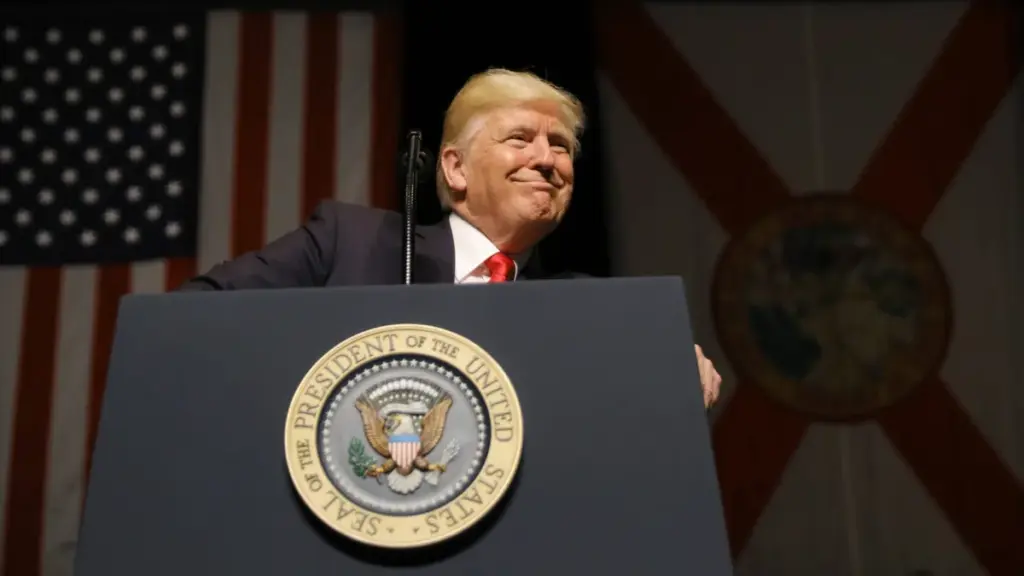
On March 7, 2026, in Doral, Florida, Donald Trump announced the formation of a military alliance dubbed the “Shield of the Americas,” aimed at combating drug cartels and addressing regional instability. This coalition has already seen participation from seventeen nations, indicating a substantial commitment to collective security in the region. Trump’s assertion that “Cuba is in its last moments” and his suggestion of a potential “friendly takeover” of the island nation marked a stark departure from previous diplomatic engagements. The U.S. has long maintained a complex relationship with Cuba, but the recent military focus signals a new chapter.
Immediate Effects
The announcement has elicited strong reactions from various stakeholders. Cuban President Miguel Díaz-Canel criticized Trump’s remarks, labeling them an attack on the Proclamation of Latin America and the Caribbean as a Zone of Peace. The Cuban government, already under significant economic strain due to U.S. sanctions, now faces the added pressure of a military alliance that could reshape the geopolitical landscape in the region. The implications of Trump’s comments extend beyond Cuba, as they intertwine with U.S. actions in Venezuela, suggesting a broader strategy that could affect both nations.
Expert Perspectives
Experts have weighed in on the potential ramifications of this shift. The historical context of U.S. military interventions in Latin America raises concerns about the long-term consequences of such a strategy. Trump’s administration has a history of using military action to achieve foreign policy goals, particularly in this region. The suggestion of a “friendly takeover” has been met with skepticism, as many analysts warn that such rhetoric could escalate tensions rather than foster cooperation.
Economic Pressures
The economic landscape for Cuba remains dire, with the U.S. imposing severe economic pressure that has exacerbated the island’s reliance on Venezuelan oil. The interplay between U.S. actions in Venezuela and potential changes in Cuba’s governance underscores the interconnectedness of these geopolitical issues. As Trump’s administration relaxes policies amid a crisis in Cuba, the future of U.S.-Cuba relations hangs in the balance, with both nations at a crossroads.
Looking Ahead
As the situation evolves, the international community watches closely. The military alliance and Trump’s aggressive rhetoric could provoke a range of responses from Latin American leaders, some of whom have expressed concern over the implications for regional stability. An unnamed Latin American leader remarked, “I hope you can take care of Cuba because you’ve had problems with Cuba,” highlighting the delicate nature of these relationships.
In summary, Donald Trump’s recent announcements regarding Cuba and the formation of the Shield of the Americas mark a significant shift in U.S. foreign policy. The potential for a military approach raises questions about the future of diplomatic relations and the stability of the region. As the dynamics unfold, the world will be watching how these developments impact Cuba and its neighbors.