Introduction
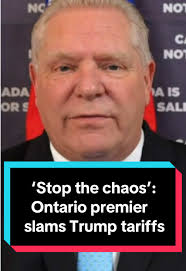
The recent meeting between Ontario Premier Doug Ford and former U.S. President Donald Trump has sparked discussions across Canada. This encounter is particularly relevant as it reflects ongoing cross-border relationships and political ideologies that have significant implications for both countries. With rising economic challenges and political dynamics, the interaction between these two leaders can provide insights into future policies affecting Canadians.
Details of the Meeting
On October 3, 2023, Doug Ford met with Donald Trump at a fundraising event in New York City. The meeting attracted media attention as it occurred during a time of increasing tensions regarding trade agreements and healthcare discussions between the U.S. and Canada. Ford’s attendance at this event indicated a willingness to align with Trump’s policy views, particularly in areas concerning economic revitalization.
During their discussions, Ford emphasized the importance of strengthening the Canada-U.S. trade relationship. Both leaders exchanged ideas on enhancing manufacturing jobs, with Ford promoting Ontario’s economic strength as a valuable asset for American businesses. Ford stated, “The prosperity of our regions is interconnected, and we must work together for the benefit of both nations.” Trump’s response indicated a favorable view towards collaboration, notably on issues like tariffs and border security.
Public and Political Reaction
The meeting has generated mixed reactions from the Canadian public and political analysts. Supporters of Ford argue that this engagement could lead to favorable trade conditions that would boost Ontario’s economy. However, critics are concerned that alignment with Trump could alienate more progressive voters, especially given Trump’s controversial reputation in Canadian political spheres.
Political experts note that the Ontario Premier’s decision to meet with Trump may be a strategic move to solidify his position as a pro-business leader amid economic uncertainties. However, it has drawn scrutiny, as some fear it might compromise initiatives related to climate action and social equity, which are pivotal to many Canadian voters.
Conclusion
The Ford-Trump meeting serves as a reminder of the ongoing political interplay between Canada and the United States. As both leaders navigate their respective political landscapes, Ontario residents might closely monitor the implications of this partnership. Going forward, the relationship between Doug Ford and Donald Trump could shape policy directions that influence cross-border trade and economic collaboration. Ultimately, how this meeting affects the political climate and public sentiment in Ontario remains to be seen as both leaders face their respective electoral challenges.