Introduction
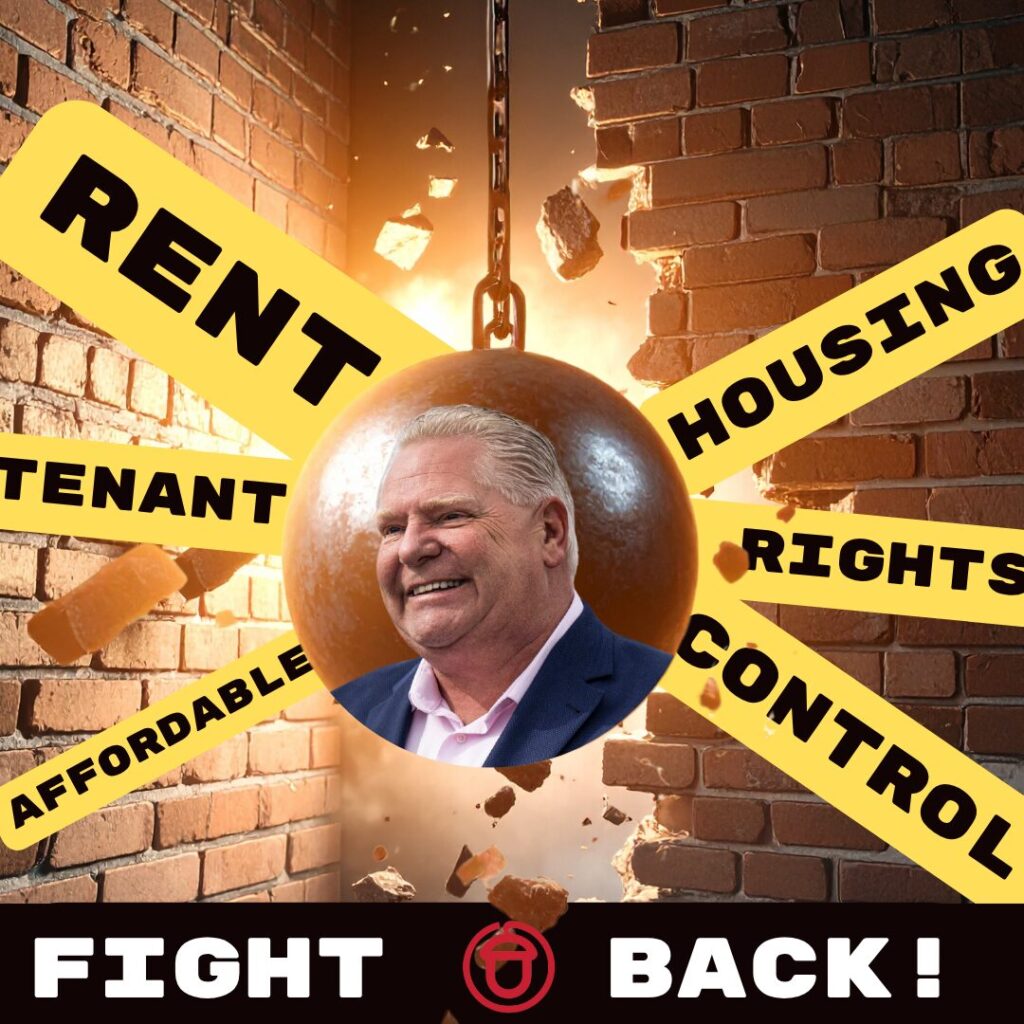
In recent years, the housing market in Ontario has faced significant challenges, prompting ongoing discussions about rent control measures. Doug Ford, the Premier of Ontario, has been at the center of these discussions, implementing policies that have sparked debate among tenants, landlords, and housing advocates. As the province grapples with rising rents and affordability crises, understanding the implications of Ford’s approach to rent control is crucial for all stakeholders.
Current Landscape of Rent Control in Ontario
Following the introduction of the Ontario Fair Housing Plan in 2017, which included rent control for apartments built before November 15, 2018, the Ford government took steps to review and modify these regulations. With the goal of increasing housing supply, Ford’s administration lifted the rent control cap on newly built units, allowing landlords to set rents at what the market can bear. This shift aims to incentivize developers to build more rental properties but has raised concerns about affordability for low- and middle-income renters.
Recent Developments
In October 2023, the provincial government announced new measures to address the criticisms regarding the affordability crisis. Ford’s administration proposed the introduction of a new tiered rent control system, which would aim to balance the need for affordable housing while still encouraging new developments. Under this proposal, rent increases would be capped at a set percentage based on the Consumer Price Index (CPI), aiming to keep pace with inflation while providing some security for tenants. Additionally, a task force comprising landlord representatives, housing advocates, and tenant associations has been established to explore further solutions.
Reactions and Implications
The response to Ford’s proposed changes has been mixed. Tenant advocacy groups expressed cautious optimism about the reintroduction of rent control measures but emphasized the necessity for more expansive policies that ensure long-term affordability. Landlords, on the other hand, have voiced concerns about how such measures might stifle new construction and reduce overall housing availability. Many believe that without a balanced approach, the market may not effectively address the needs of all Ontarians.
Conclusion
As discussions around Doug Ford’s rent control policies continue to unfold, it remains clear that the housing crisis in Ontario is far from resolved. The balance between protecting tenants and encouraging development is a delicate one. Stakeholders across the spectrum will need to engage in ongoing dialogue to forge sustainable solutions. Ultimately, shaping effective rent control measures will require collaboration and innovative thinking to ensure that all residents have access to safe and affordable housing in Ontario.