Introduction
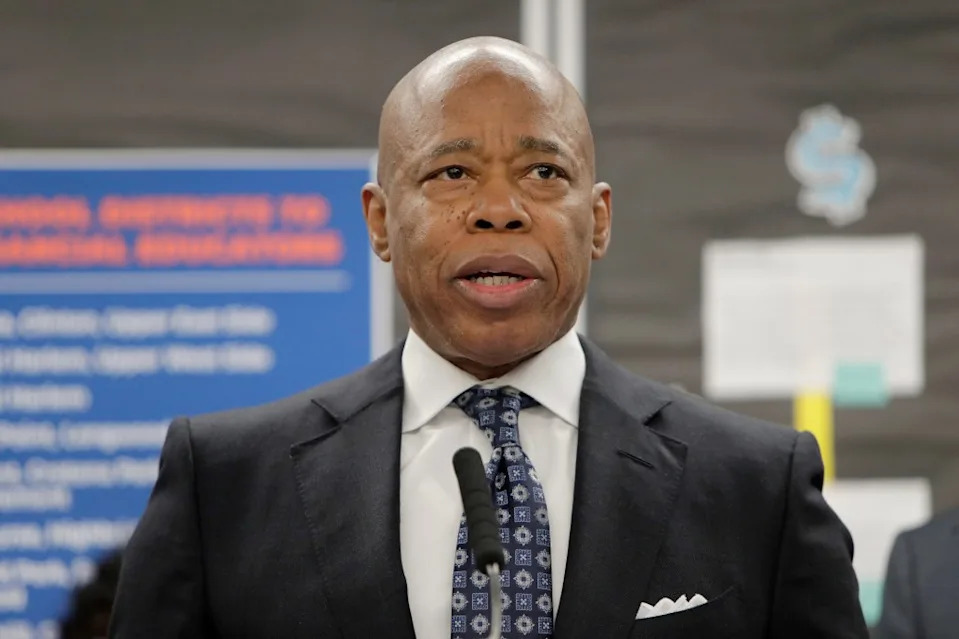
Eric Adams, the 110th Mayor of New York City, has become a pivotal figure in addressing the challenges faced by one of the world’s largest cities. Since taking office in January 2022, his leadership style and policies have been scrutinized, admired, and debated. The importance of his role extends beyond mere governance; it involves navigating complex socio-economic issues that affect the lives of millions. Understanding Adams’ policies and their implications is essential for New Yorkers and those interested in urban governance.
Background and Rise to Mayoralty
Before becoming mayor, Eric Adams served as the Brooklyn Borough President and a captain in the New York City Police Department. His background in law enforcement and politics gives him a unique perspective on the issues facing the city. Adams has often emphasized public safety, community engagement, and economic recovery in his agenda, driven largely by the impacts of the COVID-19 pandemic.
Key Policies and Initiatives
One of Adams’ major focuses has been public safety. In response to rising crime rates, he has proposed several measures, including expanding the presence of police in communities and enhancing mental health services. He has also advocated for a balanced approach, insisting on police accountability to rebuild community trust.
Beyond public safety, Adams has pushed for policies aimed at economic recovery and sustainability. Initiatives aimed at bolstering small businesses have been introduced, alongside efforts to ensure equitable access to opportunities for marginalized communities. His administration has also prioritized tackling homelessness and affordable housing, recognizing that these are critical issues for the well-being of New Yorkers.
Challenges Ahead
Adams’ tenure has not been without challenges. The struggle to maintain a balance between public safety and civil rights remains a contentious issue. Critics argue that some of his policing strategies may overshadow civil liberties, while supporters contend that they are necessary for restoring safety in neighborhoods facing crime.
Conclusion
As Eric Adams continues his term, the future of New York City under his leadership is a subject of considerable interest. His ability to effectively address the myriad challenges of urban governance will shape not only his legacy but also the lives of New Yorkers for years to come. It remains to be seen how well he can implement his vision amidst the complexities of city politics and public opinion. Observers note that the decisions he makes now will have significant implications for the city’s trajectory.