Introduction
The Airbus A350 has emerged as a pivotal addition to modern aviation, particularly within Air Canada’s fleet. This aircraft is renowned for its fuel efficiency, advanced technology, and enhanced passenger comfort. As airlines strive to reduce their environmental impact while providing a superior travel experience, understanding the importance of the A350 is crucial for industry stakeholders and travelers alike.
The Airbus A350: Overview
The Airbus A350 is a long-range, wide-body aircraft designed for greater efficiency and lower emissions compared to previous models. With a seating capacity of approximately 300 to 410 passengers, depending on the configuration, it caters to both economy and business class segments. The aircraft’s composite materials and aerodynamic structure contribute significantly to its fuel efficiency, achieving reductions in fuel burn of approximately 25% relative to older aircraft types.
Air Canada and the A350
Air Canada received its first Airbus A350-900 in 2018, with plans to incorporate this state-of-the-art aircraft into its long-haul international routes. With its commitment to sustainability, Air Canada has positioned the A350 as a key player in its strategy to modernize its fleet. By 2023, Air Canada operates a total of 20 A350s, further signifying its commitment to efficient operations and customer satisfaction.
Passenger Experience
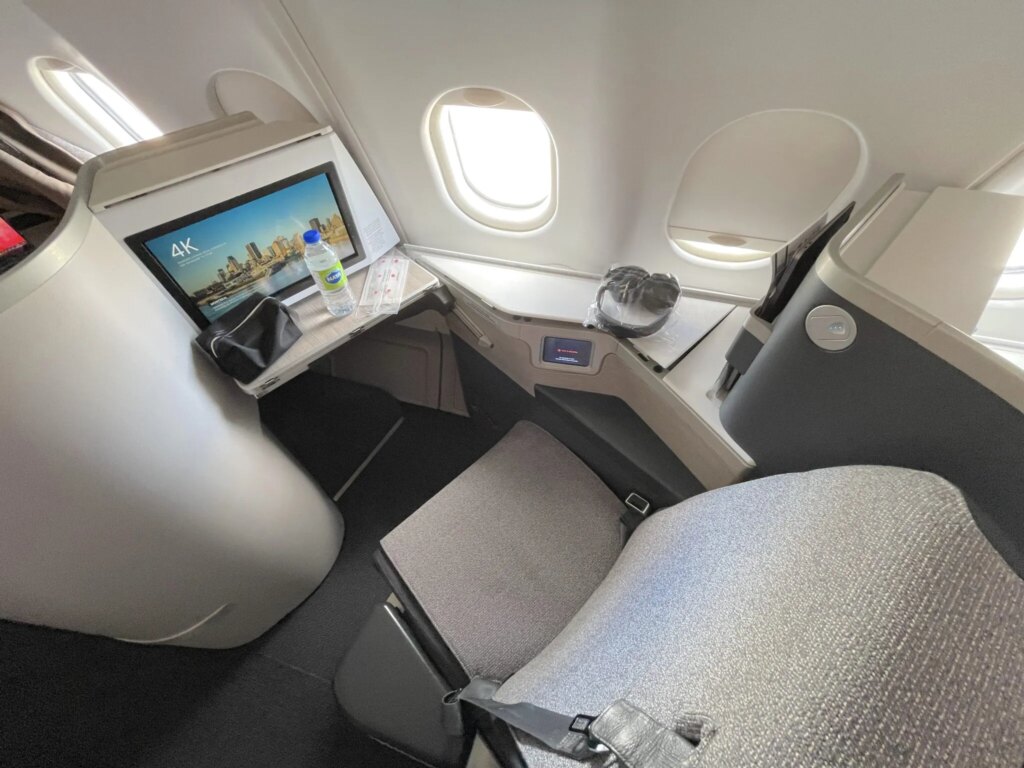
Air Canada’s Airbus A350 is designed with passenger comfort in mind. The cabin features higher ceilings, larger windows, and quieter cabins, creating a more enjoyable flying experience compared to older models. The airline offers a selection of state-of-the-art in-flight entertainment systems and improved meal services, ensuring that passengers feel well-cared for during their travels. Reviews from travelers have noted the spacious seating and the advanced air management system that reduces fatigue and enhances comfort during long-haul flights.
Environmental Impact
In the context of increasing concern over climate change, the Airbus A350 plays a significant role in reducing aviation’s carbon footprint. By utilizing sustainable aviation fuels and optimizing flight paths, airlines like Air Canada aim to lessen their environmental impact. The A350’s design enables it to produce lower carbon emissions per seat-mile, an essential factor as the aviation industry faces growing regulatory pressures regarding emissions.
Conclusion
As Air Canada continues to expand its Airbus A350 fleet, the aircraft stands as a model of innovation in aviation, addressing both passenger priorities and environmental responsibilities. As airlines globally look to modernize their fleets with more sustainable options, the A350 not only enhances service quality but also paves the way for a greener future in air travel. Looking ahead, continued advancements in aircraft technology will likely elevate the passenger experience and contribute positively to the global effort of sustainability in aviation.