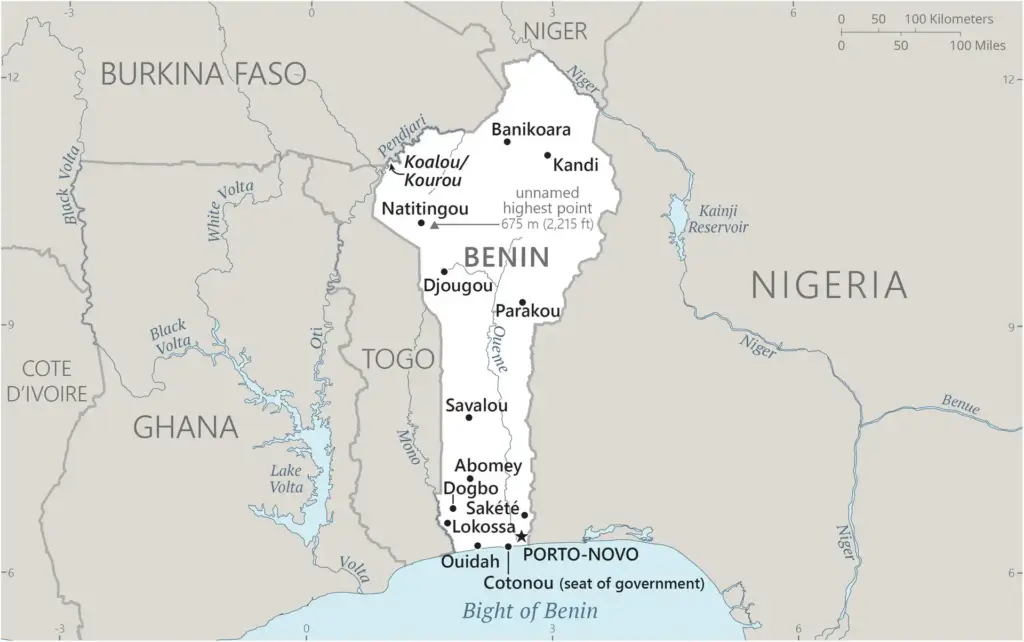
Introduction
Benin, a small country located in West Africa, is often overlooked on the global stage. However, this nation is rich in history, culture, and economic potential. Known for its significant role in the transatlantic slave trade and its vibrant Yoruba culture, Benin holds a unique place in both African and world history. Understanding Benin’s current socio-economic landscape is essential for grasping the broader dynamics of West Africa.
Historical Background
Once part of the Kingdom of Dahomey, which thrived from the 17th to 19th centuries, Benin has a storied past that includes its involvement in the slave trade. After its independence from France in 1960, the country experienced political instability, including a series of coups and a Marxist-Leninist regime from 1972 until the early 1990s. Today, Benin is recognized as a democracy, with regular elections and a multi-party system.
Current Socio-Economic Landscape
Benin’s economy primarily relies on agriculture, which employs about 70% of the population. Cotton is the principal cash crop and is a significant export product. In recent years, the government has been pushing for diversification to reduce reliance on agriculture and enhance sectors like tourism and digital technology. In 2023, Benin launched ‘Benin Digital’, an initiative aimed at improving internet connectivity and access to technology, encouraging investment in tech startups.
Cultural Heritage
The cultural heritage of Benin is incredibly diverse, heavily influenced by its ethnic groups, including the Fon and Yoruba peoples. Festivals like the Voodoo Festival attract visitors from around the world, showcasing traditional music, dance, and rituals. Voodoo, which originated in Benin, is recognized as a religion and is an integral part of the nation’s identity.
Conclusion
Benin, while small in size, is a country with significant historical importance and cultural richness. As it continues to navigate modern challenges and opportunities, especially in technology and governance, Benin’s potential for growth remains strong. For readers interested in West Africa, Benin serves as an essential case study of resilience and cultural pride against the backdrop of globalization and change.