Introduction
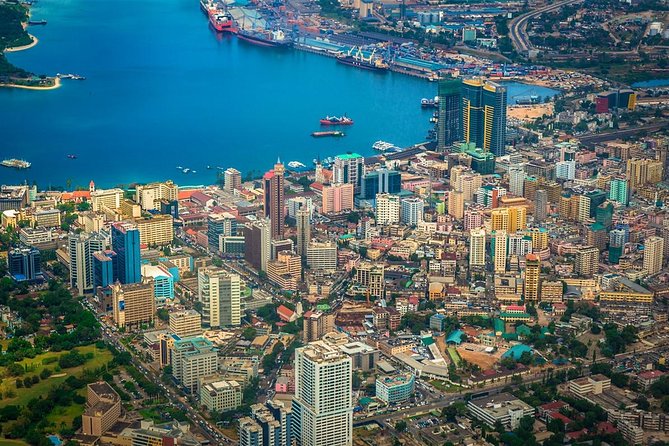
Dar es Salaam, the largest city in Tanzania and its economic hub, plays a pivotal role in East Africa’s trade and culture. As a port city on the Indian Ocean, Dar es Salaam serves not only as a gateway for international trade but also as a melting pot of various cultures and traditions. Understanding the city’s dynamics is crucial for both local and international stakeholders, especially in light of the recent economic and infrastructural developments.
Economic Growth and Development
In recent years, Dar es Salaam has witnessed significant economic growth, bolstered by investments in its port infrastructure and real estate. The Dar es Salaam Port is one of the busiest ports in the region, facilitating trade for neighboring landlocked countries including Zambia, the Democratic Republic of the Congo, and Uganda. In 2023, the Tanzanian government announced plans to invest over $1 billion in the expansion of the port, aiming to increase its capacity to handle larger vessels and improve logistics.
Additionally, the city has become a focal point for foreign direct investment, with various international companies establishing operations in sectors such as manufacturing, hospitality, and technology. The recent establishment of special economic zones (SEZ) around the city is expected to further enhance its attractiveness for investors.
Infrastructure and Urban Development
Apart from economic initiatives, infrastructural improvements are pivotal in shaping the future of Dar es Salaam. The government is working on several projects, including the construction of a new bus rapid transit system and the expansion of the main roads to ease the notorious traffic congestion. Moreover, the ongoing development of the Dar es Salaam Urban Development Plan aims to improve living conditions and urban social services for its residents.
These developments are crucial, especially as the population continues to grow, now exceeding 6 million residents. The city’s strategic initiatives must balance urban growth with sustainability to enhance the quality of life for its inhabitants.
Cultural Significance
Beyond economics and infrastructure, Dar es Salaam is a cultural hub in Tanzania. The city’s beaches, markets, and festivals attract tourists from around the world, making it essential to promote cultural heritage alongside commercial interests. The popular Mwenge Woodcarvers Market showcases locally made crafts and artistry, encouraging both tourism and local craftsmanship.
Conclusion
In conclusion, Dar es Salaam stands as an essential city in East Africa, characterized by its bustling economy, ongoing infrastructure projects, and rich cultural heritage. As it grapples with the challenges of urbanization and economic growth, understanding its development will offer valuable insights to investors, policymakers, and residents alike. Looking ahead, Dar es Salaam is poised to continue its journey as a vibrant coastal city set firmly in the global economic landscape.