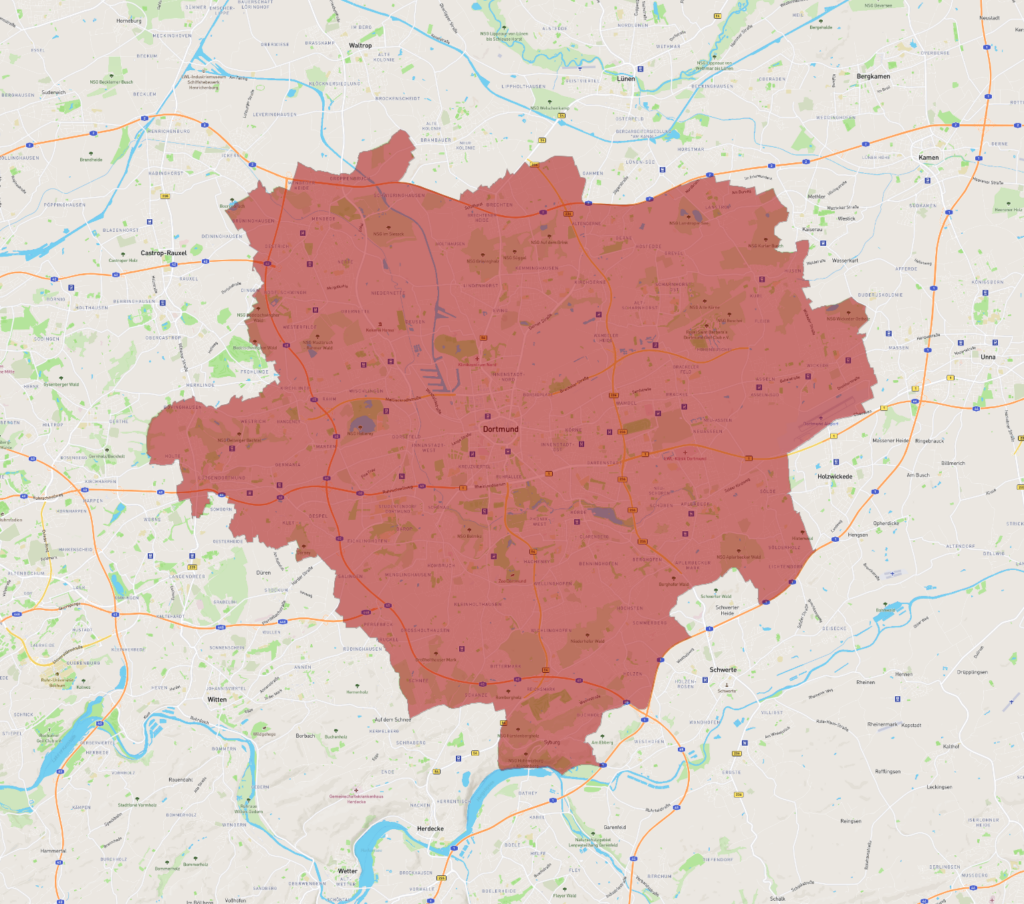
Introduction to Dortmund
Dortmund, a city in North Rhine-Westphalia, Germany, has a rich history and vibrant culture that continues to shape its identity. As one of the largest cities in the Ruhr area, Dortmund transitioned from an industrial hub to a center for technology, culture, and sports. Understanding Dortmund is essential for recognizing its role in Germany’s economic landscape and cultural offerings.
Historical Significance
Founded in the 9th century, Dortmund has long been an important city for trade and industry. It was known for its beer brewing traditions and became a significant player in the coal and steel industry during the industrial revolution. Today, remnants of this industrial past can be seen in various landmarks throughout the city, including the historic brewery sites and the Transformation Park, which celebrates the city’s industrial heritage.
Economy and Innovation
In recent years, Dortmund has undergone substantial economic transformation. The city has actively transitioned towards a knowledge-based economy. With the establishment of the TECHNOLOGIEZENTRUM DORTMUND and numerous startups emerging in the tech sector, Dortmund is positioning itself as a hub for innovation and research. The city also benefits from a strategic location, with excellent transportation links to major cities across Germany and beyond.
Cultural Highlights
Dortmund boasts a rich cultural scene with a variety of museums, theaters, and galleries. One of the most visited attractions is the Museum Ostwall, which showcases modern art. Additionally, sports play a vital role in the city’s identity, with Borussia Dortmund, one of Germany’s most successful football clubs, drawing thousands of fans to Signal Iduna Park, known for its passionate atmosphere during matches.
Recent Developments
In light of recent events, Dortmund is also focusing on sustainability and green initiatives. The city has committed to reducing carbon emissions and enhancing public transportation options. Urban planning projects aim to create more green spaces, making the city more livable for residents and visitors alike.
Conclusion
Dortmund stands as a prime example of a city that has embraced change while remaining rooted in its rich historical and cultural heritage. The ongoing transformation in its economy and a commitment to cultural development position Dortmund as a significant city in Germany. For residents and visitors, the blend of history, innovation, and culture promises numerous opportunities and experiences in this thriving metropolis.