Introduction
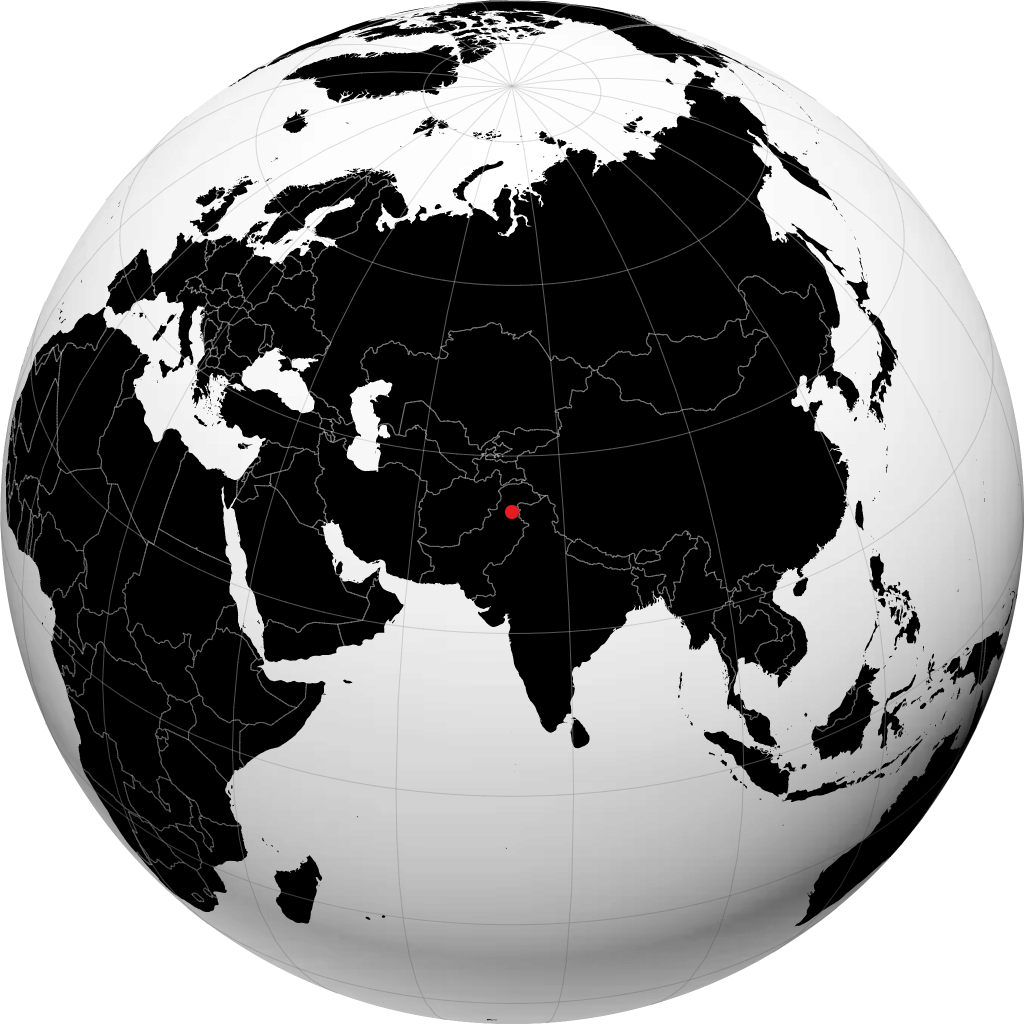
Islamabad, the capital city of Pakistan, stands out as a hub of political, cultural, and economic activities in the country. Established during the 1960s, this planned city is known for its modern architecture, green spaces, and stunning Islamic landmarks. As the center of governmental functions, understanding Islamabad is essential for comprehending the broader socio-political landscape of Pakistan.
A Modern Capital with Historical Roots
Islamabad was designed by the Greek architect Constantinos Apostolou Doxiadis in response to a growing need for a planned urban environment in Pakistan. It replaced Karachi as the capital in 1963. The city is constructed with several sectors, each serving a distinct purpose, whether residential, commercial, or governmental.
The city is strategically located at the foothills of the Margalla Hills, making it not just an administrative center but also a destination for nature lovers. The famous Faisal Mosque, one of the largest mosques in the world, symbolizes Islamic architecture and attracts thousands of tourists and locals alike.
Current Events and Developments
Recently, Islamabad has been in the news due to various developments, including infrastructure projects aimed at enhancing connectivity and modernizing public transportation. The Islamabad Metro, inaugurated in 2020, has significantly improved urban mobility, easing traffic congestion.
Furthermore, Islamabad is a focal point for international diplomacy, hosting multiple embassies and high-profile events. The recent visit of foreign dignitaries highlights the city’s role in promoting diplomatic dialogue in the region. Additionally, the Pakistani government is working on urban development projects that aim to maintain the city’s green signature style while accommodating a growing population.
Conclusion
In conclusion, Islamabad is not just the political heart of Pakistan; it embodies the country’s aspirations for progress and development. With its blend of modernity and tradition, the city serves as a symbol of resilience and growth amidst challenges. As international interest in Pakistan continues to evolve, Islamabad is set to play a crucial role in shaping the narrative of the region.
With ongoing development projects and a strategic position in international relations, the future looks promising for Islamabad. Investors, tourists, and scholars alike will find a wealth of opportunities in this vibrant capital, making it essential to watch how it continues to grow and adapt in the coming years.