Introduction
Kalshi is gaining recognition as a trailblazer in the world of prediction markets, a sector that merges finance with forecasting events. Prediction markets allow participants to buy and sell shares based on the outcomes of real-world events, from the weather to political elections. The significance of platforms like Kalshi lies in their potential to refine how information is aggregated and utilized, influencing both decision-making processes and market strategies.
The Genesis of Kalshi
Founded in 2020 by Tadhg O’Sullivan and the team at Kalshi, the platform has established itself as a regulated exchange in the United States. It differentiates itself from traditional betting by being regulated by the Commodity Futures Trading Commission (CFTC), ensuring that its operations adhere to strict legal guidelines.
What Does Kalshi Offer?
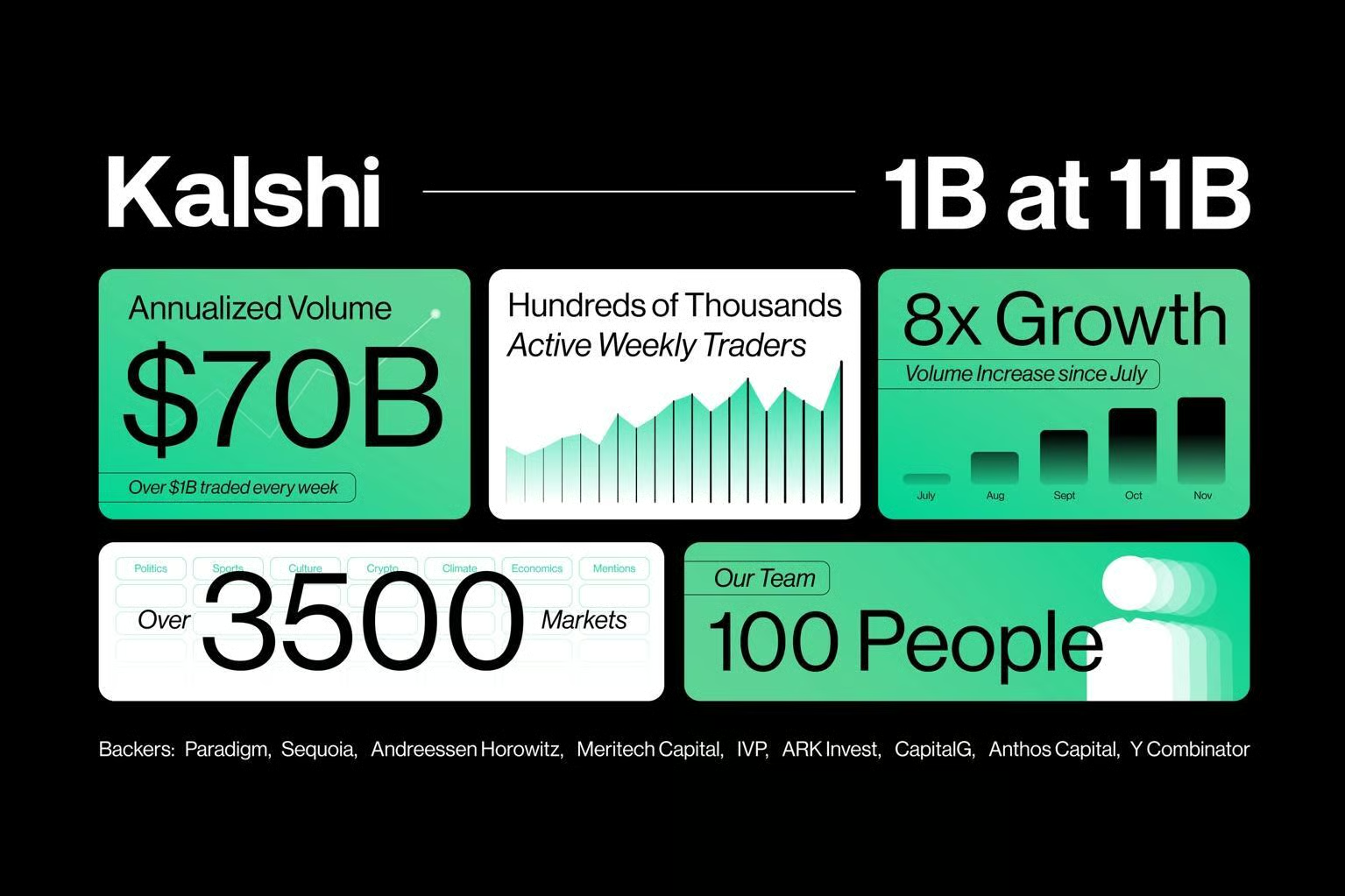
Kalshi allows users to trade on a variety of events categorized under numerous topics, such as politics, climate change, and economic indicators. Users can create contracts predicting the binary outcomes of specific events – for instance, whether a certain candidate will win an election or if the annual rainfall will exceed a predefined threshold. This structure promotes informed decision-making, encouraging participants to utilize data and insights to back their predictions.
Recent Developments
In recent months, Kalshi has expanded its offerings, introducing new features and partnerships designed to enhance user experience. For instance, in October 2023, the platform added contracts for major sports events, further diversifying its market appeal. Such expansions indicate Kalshi’s commitment to grow its user base and enhance engagement, potentially leading to a more robust prediction ecosystem.
Implications for Users
The rise of Kalshi signifies a shift in how individuals and institutions might approach asset management and risk assessment. By leveraging collective intelligence through prediction markets, users can gain insights into potential future outcomes, making it an effective tool for hedging bets against uncertainties in various fields. Moreover, as public awareness grows regarding the functionalities provided by platforms like Kalshi, more users are likely to engage with predictive analytics in their financial decisions.
Conclusion
Kalshi represents a new frontier in prediction markets, where the intersection of finance and forecasts creates opportunities for traders and investors. As its user base expands and new contracts are introduced, its influence on market dynamics will likely continue to grow. For readers, the evolving landscape of platforms like Kalshi offers a glimpse into innovative ways to engage with real-world events financially, emphasizing the importance of data-informed predictions in today’s increasingly unpredictable climate.