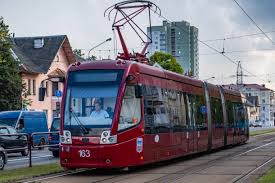
Introduction to Minsk
Minsk, the capital of Belarus, is a city rich in history, culture, and dynamic growth. As a significant center in Eastern Europe, it has become increasingly relevant in discussions regarding geopolitics, economic development, and cultural exchange. The city has maintained its status as a prominent hub, drawing attention from various sectors including tourism, trade, and international relations. As Belarusians face unique challenges, the significance of Minsk extends beyond its borders, reflecting the broader socio-political landscape of the region.
Recent Developments in Minsk
Recent events have placed Minsk in the global spotlight, particularly following the contentious presidential elections in 2020, which led to widespread protests against the government of President Alexander Lukashenko. Despite the government’s crackdown on dissent, the spirit of the populace remains resilient, with citizens continuing to seek avenues for freedom, democracy, and reform. In 2022, the Belarusian government faced criticism for its role in supporting Russia during the ongoing conflict in Ukraine, which has highlighted Minsk’s strategic importance in current diplomatic discussions.
In response to international sanctions and economic pressure, Minsk is striving for diversification. The city is focusing on modernizing its infrastructure and attracting foreign investment. Recent initiatives have included boosting the IT sector, with technology parks and incentives enticing startups and tech companies to establish a presence in the city. Furthermore, the government has invested heavily in urban renewal projects, enhancing quality of life with new parks, residential buildings, and cultural institutions that reflect the city’s rich heritage.
Cultural Significance of Minsk
In addition to politics and economics, Minsk is a cultural treasure trove. The city boasts a plethora of museums, galleries, and theaters that offer insight into Belarusian art and history. Notable sites include the Belarusian State Museum of the Great Patriotic War, the National Arts Museum, and the historic Upper Town. Minsk’s vibrant festivals and events, such as the Minsk International Film Festival and the Street Music Festival, celebrate local talent and foster a sense of community.
Conclusion: The Future of Minsk
As we look at the future of Minsk, it is essential to consider not only the challenges it faces but also the opportunities for growth and engagement within the international community. The city is at a crossroads, and while its residents strive for change, Minsk remains a symbol of resilience and hope in a region marked by turmoil. For prospective visitors, businesses, and global observers, exploring Minsk offers a unique glimpse into the evolving narrative of Belarus and an opportunity to witness first-hand the unwavering spirit of its people.