Introduction
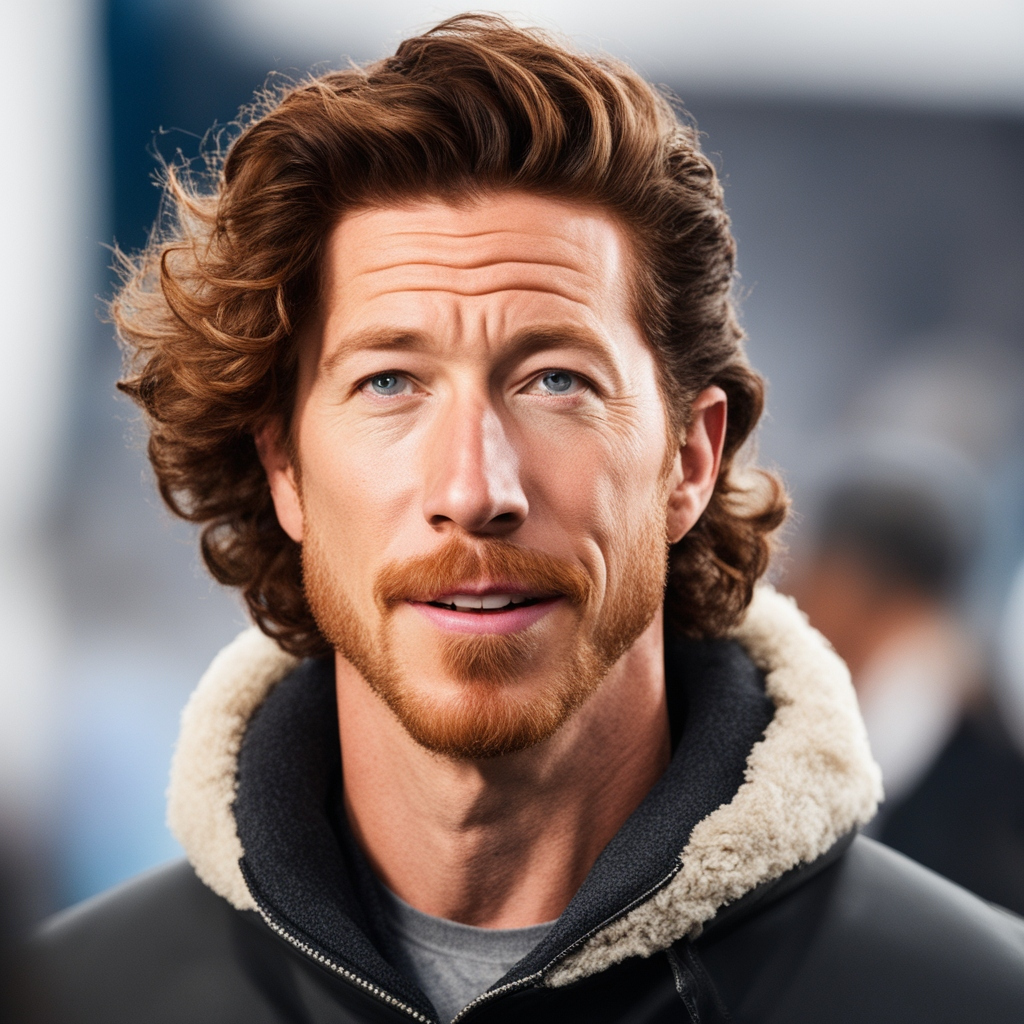
Shaun White is not just a name in the world of snowboarding; he is a phenomenon. As a three-time Olympic gold medalist and one of the most recognizable figures in extreme sports, White’s influence extends beyond mere athletic prowess. He has transformed the landscape of snowboarding, inspiring countless athletes and cementing his legacy as a key figure in winter sports. Understanding his journey and contributions is essential for appreciating the evolution of snowboarding as we know it today.
Career Highlights
Shaun White’s career took off in the early 2000s, when he began competing professionally at a young age. His unique blend of technical skills and creativity set him apart in competitions. Winning his first Olympic gold medal at the 2006 Turin Games, White showcased his talent on the halfpipe, a discipline that would define his career. He reiterated his dominance at the subsequent Olympics in Vancouver (2010) and Sochi (2014), becoming the first athlete to win three gold medals in snowboarding.
In addition to his Olympic success, White has also achieved significant milestones in professional snowboarding. He has won numerous X Games medals, making him one of the most decorated athletes in the competition’s history. White’s innovative tricks and daring performances have pushed the envelope of what is possible on a snowboard, earning him the nickname ‘The Flying Tomato’ due to his distinctive red hair and acrobatic moves.
Impact on the Sport
Beyond his accolades, Shaun White has played a pivotal role in popularizing snowboarding. By representing the sport on global platforms, he has attracted new audiences and inspired young athletes worldwide. His endorsement deals, including partnerships with brands like Burton and Oakley, have significantly increased snowboarding’s visibility and accessibility.
White has also actively involved himself in various philanthropic efforts, emphasizing the importance of snowboarding in empowering youth. Programs that promote outdoor sports and healthy lifestyles among teenagers often cite his influence, showcasing how a single athlete can inspire positive change within communities.
Conclusion
As Shaun White transitions into retirement from competitive snowboarding, the question that arises is, what will be his legacy? While he may leave behind an unmatched record of accomplishments, his greatest contribution lies in the cultural shift he has fostered for snowboarding. As new athletes emerge, inspired by White’s journey, the sport will continue to evolve. His efforts emphasize that snowboarding is not only about competition but also about passion, creativity, and a sense of community. Shaun White will be remembered as more than just a champion; he is a true ambassador of the sport, whose impact will resonate for generations to come.