Introduction
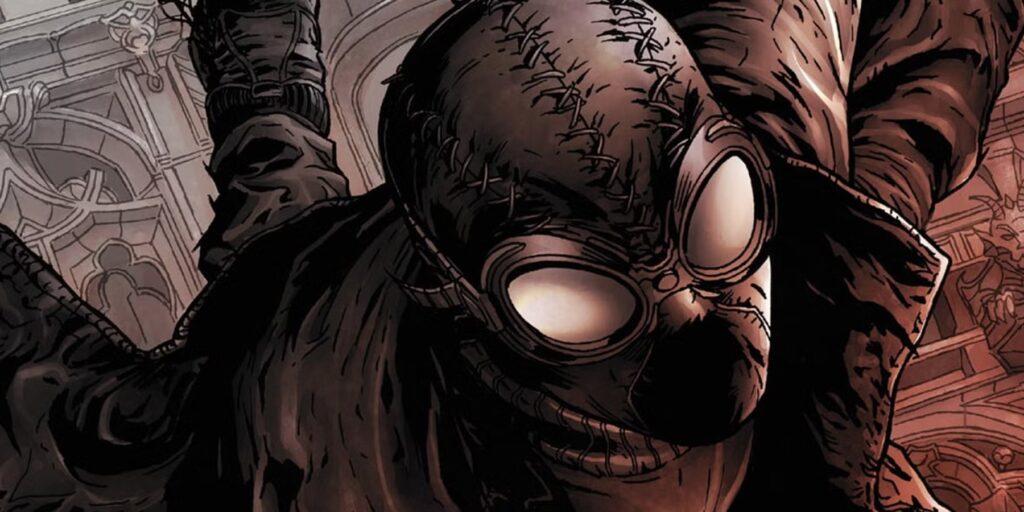
Spiderman Noir has become a significant figure in the realm of comic book adaptations and superhero narratives. Introduced in 2009 as part of a unique series by Marvel Comics, this version of Peter Parker operates in a gritty and stylized 1930s New York City, showcasing a darker interpretation of the classic superhero. This character not only offers fans a fresh perspective on Spiderman’s mythos but also appeals to those drawn to noir storytelling and its rich thematic elements.
The Birth of Spiderman Noir
Created by writers David Hine, and artist Fabrice Sapolsky, the Spiderman Noir character debuted in the “Spider-Man Noir” comic series, which reimagined the character within a historical context where crime and corruption permeate the atmosphere. Unlike the original Spiderman, this iteration relies heavily on street-level combat, psychological depth, and themes of vengeance and redemption, making it distinctively profound. The narrative is intricately crafted, featuring iconic villains reinterpreted in gritty forms, such as a mobster version of the Green Goblin.
Recent Developments and Adaptations
Spiderman Noir gained additional popularity through digital media, notably appearing in the animated film “Spider-Man: Into the Spider-Verse” released in 2018. Voiced by Nicolas Cage, this portrayal introduced a wider audience to the character’s complex persona and unique aesthetic, characterized by a classic detective look and stark monochrome color palette. Following this surge in interest, Marvel announced plans to explore more stories through alternate universes, including potential future animated series or spin-off stories, reflecting the enduring appeal of noir narratives in superhero comics.
Significance for Fans and the Comic Industry
The allure of Spiderman Noir lies not just in its innovative reimagining of a beloved character, but also in its broader implications for comic book storytelling. Fans appreciate the depth and artistry that accompany noir-themed tales, creating a space where darker human emotions and societal issues can be explored. Furthermore, this approach encourages comic creators to experiment with genres, broadening the scope of traditional superhero narratives and appealing to a new, more diverse audience.
Conclusion
As Spiderman Noir continues to evolve through various media, it serves as a reminder of the versatility of comic book characters and their ability to adapt to different cultural contexts. With ongoing developments and potential storytelling avenues, fans can anticipate more engaging narratives from this iconic, gritty version of Spider-Man. The character not only enriches the Spider-Man legacy but also paves the way for the exploration of darker, more complex themes within the superhero genre, capturing both longtime and new fans alike.