Introduction
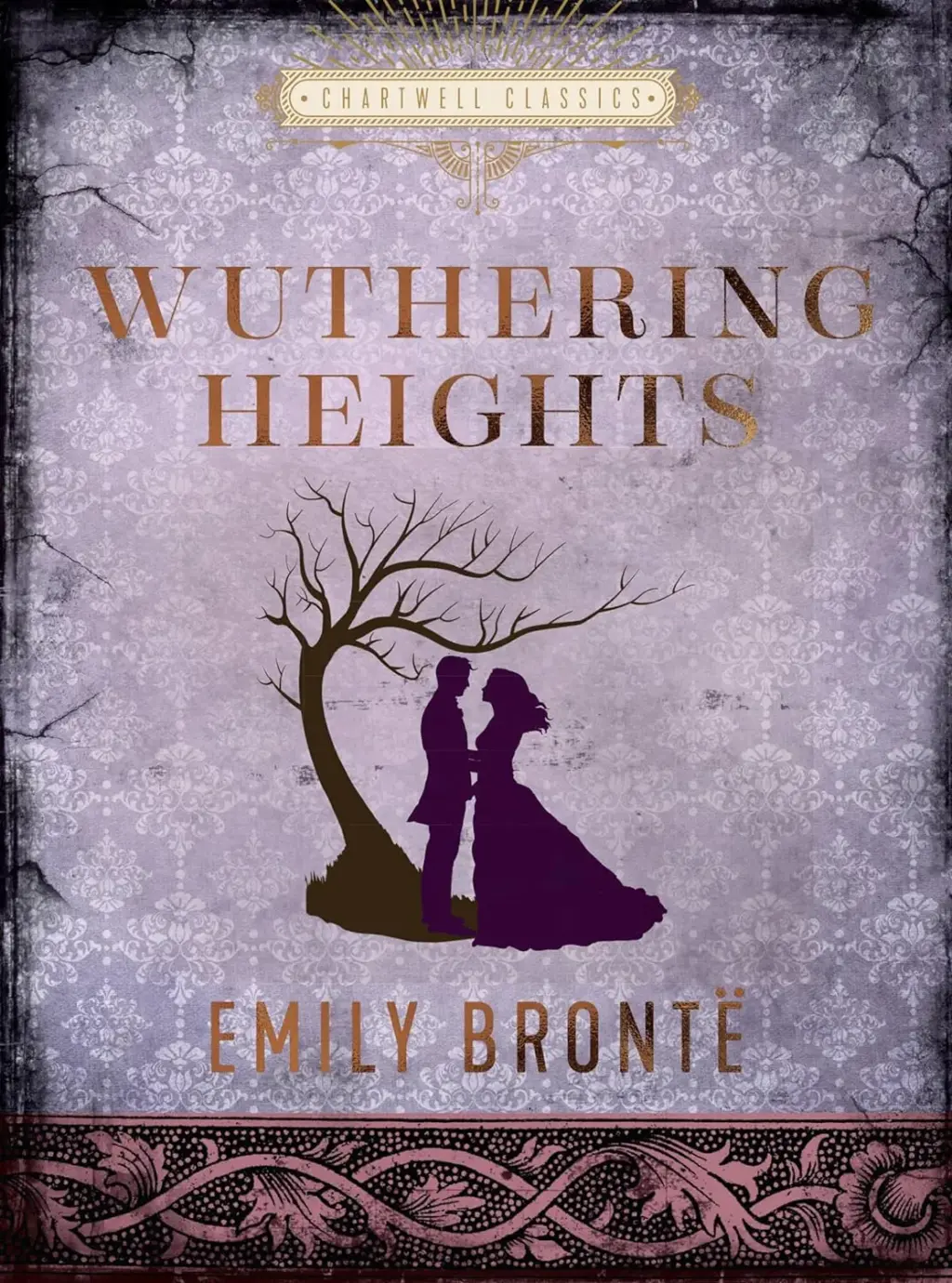
Wuthering Heights, authored by Emily Brontë and first published in 1847, remains one of the most significant works in English literature. Its impact on the literary landscape is undeniable, regarded as a cornerstone of gothic fiction. The novel delves into themes of love, revenge, and the tumultuous nature of human relationships, making it a subject of study in various educational institutions worldwide. Understanding Wuthering Heights not only enriches one’s appreciation of classic literature but also provides crucial insights into the psychological and social complexities of the human condition.
Main Body
Set on the Yorkshire moors, Wuthering Heights tells the tale of Heathcliff, an orphan adopted by the Earnshaw family, and his tragic love for Catherine Earnshaw. The narrative is complex, featuring multiple perspectives and a non-linear timeline that add layers to the story. As Heathcliff’s love transforms into an obsession, the novel explores the destructive effects of vengeance and social class disparity. The characters are vividly drawn, each demonstrating a range of emotions that resonate with readers even today.
Notably, the story unfolds through the eyes of Mr. Lockwood, a tenant at Thrushcross Grange, and Nelly Dean, a housekeeper who narrates the saga of the Earnshaws and the Lintons. This storytelling technique provides depth, allowing readers to grasp the multifaceted nature of relationships within the novel. Moreover, the gothic elements—stormy weather, dark landscapes, and supernatural occurrences—contribute to the novel’s eerie atmosphere, enhancing its emotional intensity.
In recent years, Wuthering Heights has sparked renewed interest through various adaptations in film, theatre, and even music. Its influence can be seen not only in literature but also in popular culture, where themes of passion and revenge echo in contemporary works. Scholars continue to debate Brontë’s portrayal of gender and social status, examining how these elements affect character motivations and narratives.
Conclusion
Wuthering Heights endures as a vital text in understanding the evolution of literature and its thematic exploration of human emotions. Its complex characters continue to fascinate and provoke discussion among readers and scholars alike. As we delve into the intricacies of the novel, we uncover deeper meanings that reflect societal norms and personal struggles. For readers today, engaging with Wuthering Heights is more than exploring a tale of love and retribution; it is an invitation to reflect on the darker sides of human nature and the intricate web of relationships that define our lives. As we look to the future, the legacy of Wuthering Heights will undoubtedly continue to inspire and challenge generations to come.