Introduction
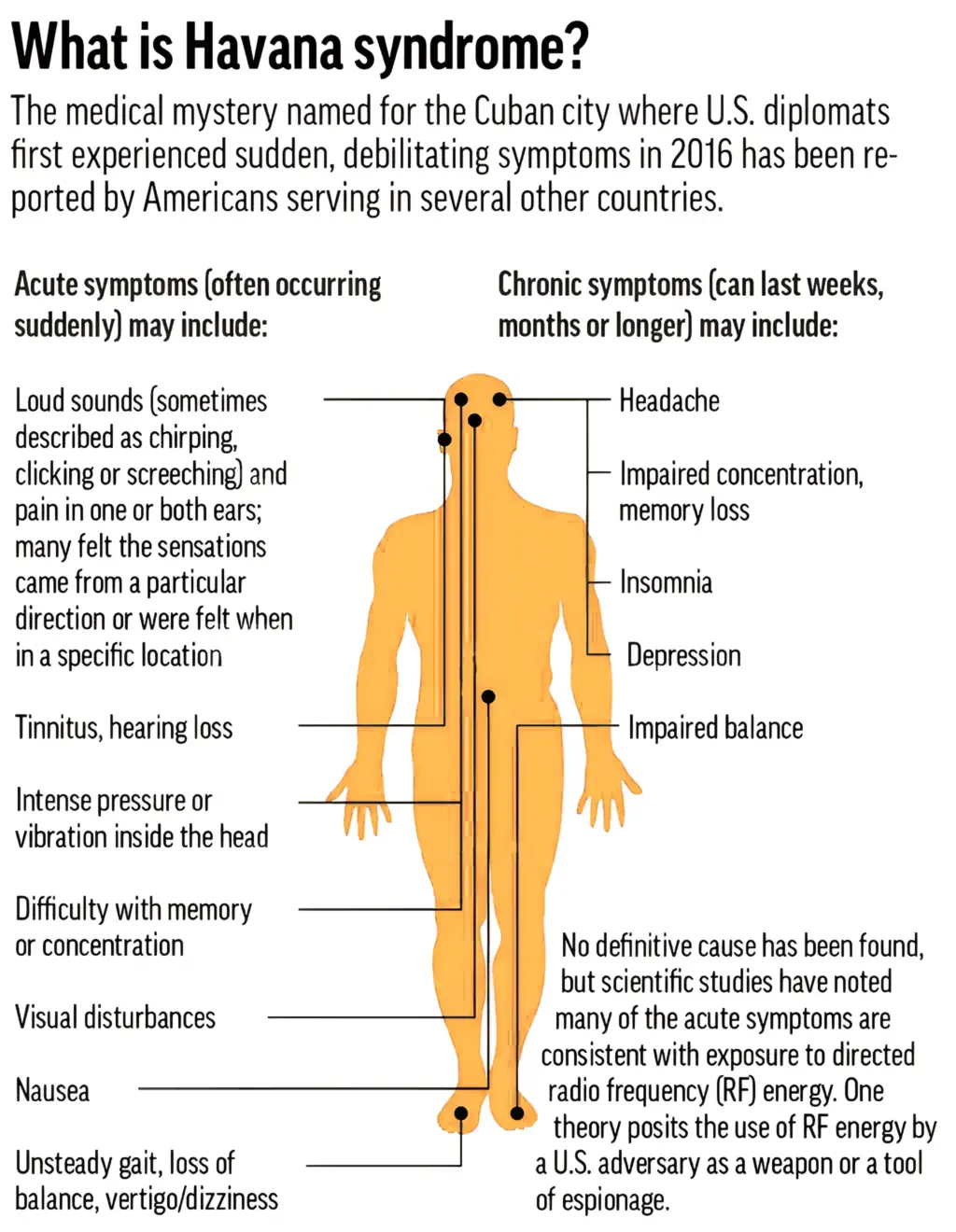
Havana Syndrome has emerged as a troubling health phenomenon affecting many diplomats and government officials. First reported in late 2016 by U.S. staff in Havana, Cuba, the condition is characterized by symptoms such as sudden hearing loss, headaches, and cognitive issues. As more cases have surfaced globally, understanding its implications for diplomatic health and safety has become increasingly crucial.
Details and Current Events
Recent reports suggest that as many as 200 individuals connected to U.S. embassies and consulates have experienced symptoms consistent with Havana Syndrome. The condition was initially thought to stem from sonic attacks, but investigations have led to uncertainties regarding its causes. In July 2023, a panel of experts convened by the U.S. State Department pointed to environmental factors and psychological issues, complicating the narrative of external attacks.
The Canadian government has also acknowledged several cases of similar symptoms among its diplomats, particularly in Cuba and China, indicating that this issue transcends borders. Consequently, both the U.S. and Canadian governments have implemented measures to monitor and support affected personnel. Additionally, funding for research aimed at uncovering the root causes and potential treatments for those impacted has been increased.
Implications and Future Outlook
The ramifications of Havana Syndrome extend beyond individual health concerns; they pose significant challenges for international relations and national security. As diplomats navigate increasingly complex geopolitical landscapes, understanding health risks associated with their postings becomes paramount.
In conclusion, while the exact cause of Havana Syndrome remains elusive, the urgency to resolve this mystery is clear. Ongoing research, interdisciplinary collaboration, and government support are critical to ensure the safety and well-being of diplomatic personnel. As investigations continue, there is hope that clearer answers will emerge, allowing affected individuals to receive the necessary care and answering the broader questions surrounding this perplexing condition.