Introduction: The Significance of Tall Buildings
The world’s tallest buildings are not just architectural feats; they symbolize economic strength and cultural identity. As urban populations grow and cities expand, these skyscrapers often represent a country’s ambitions and innovations. In recent years, numerous countries have embarked on ambitious projects to redefine their skylines, making this topic both relevant and significant to urban planners, architects, and global observers.
Current State of the World’s Tallest Buildings
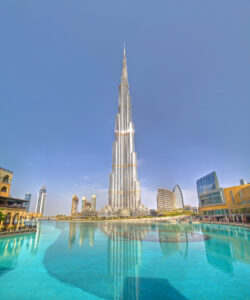
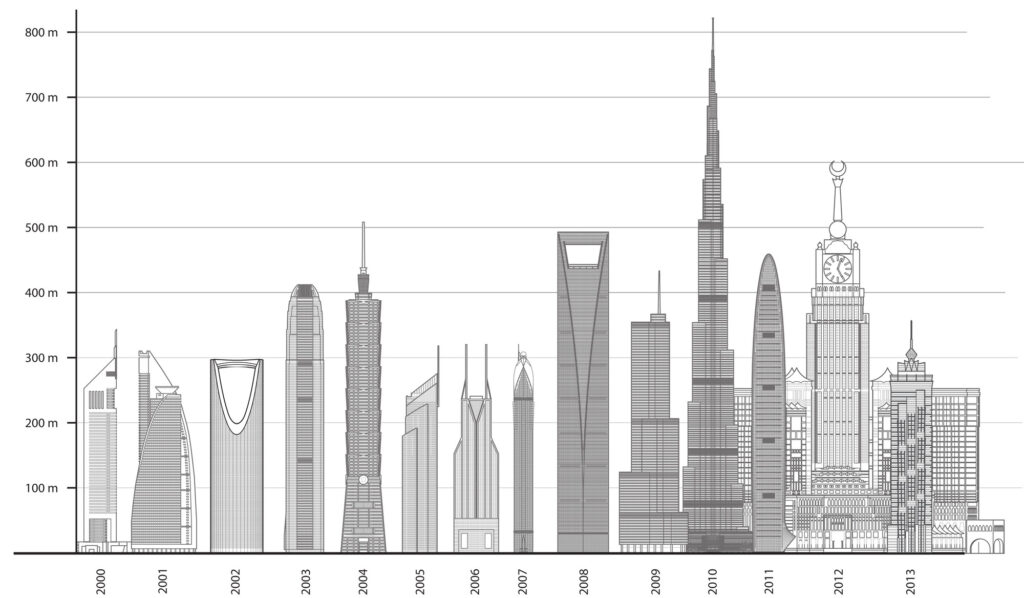
As of 2023, the Burj Khalifa in Dubai, standing at an impressive 828 meters (2,717 feet), retains its title as the tallest building in the world. It has held this record since its completion in 2010. This architectural wonder features 163 floors, observation decks, and luxurious residences. Additionally, it has sparked an influx of similar structures—a trend that continues to shape the global architectural landscape.
Emerging Giants
Following closely behind are the Shanghai Tower in China, which reaches 632 meters (2,073 feet), and the Abraj Al Bait Clock Tower in Mecca, Saudi Arabia, measuring 601 meters (1,971 feet). However, the future may see these rankings shift. The Jeddah Tower, under construction in Saudi Arabia, aims to soar over 1,000 meters upon its expected completion in 2024, potentially redefining both height and aesthetics in architecture.
Architectural Innovations
The development of these skyscrapers also showcases advancements in construction techniques and materials. Innovations like reinforced concrete, steel frameworks, and energy-efficient designs are pivotal in enabling such towering structures. Moreover, sustainable practices are increasingly being integrated, with buildings designed to minimize environmental impact and enhance energy efficiency.
Conclusion: Future Perspectives
The race to build the tallest structures is not merely about height; it reflects economic trends, technological advancements, and urban development strategies. As cities evolve, they will continue pushing the boundaries of architectural possibility. With projects like the Jeddah Tower on the horizon, enthusiasts and architects alike are keenly watching how the future skyline will take shape. Understanding these megastructures is crucial for recognizing the blend of ambition, culture, and skill that goes into creating the world’s tallest buildings.