Introduction
The world’s tallest buildings are not just architectural feats; they are symbols of human ingenuity and ambition. As cities continue to grow and evolve, the race to reach new heights in skyscraper construction has significant implications for urban planning, economy, and engineering. Understanding the developments in this sector can help us appreciate the evolving skyline of our cities and the global landmarks that they represent.
Recent Developments in Skyscraper Construction
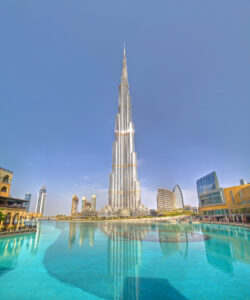
Currently, the tallest building in the world is the Burj Khalifa in Dubai, which reaches an impressive height of 828 meters. Completed in 2010, it remains unrivaled, but numerous projects are underway that could challenge its reign. The Kingdom Tower in Jeddah, Saudi Arabia is set to be completed by 2026 and will stand approximately 1,000 meters tall, thereby taking the title of the world’s tallest building once finished. This ambitious project reflects the Kingdom’s vision for urban transformation and economic diversification.
Additionally, One World Trade Center in New York City stands at 541 meters, embodying resilience and rebirth, and is open for both commercial and public use. Other notable mentions include Shanghai Tower, which boasts a height of 632 meters and features the world’s highest observation deck.
Architectural and Economic Significance
The construction of such skyscrapers impacts local economies and global views on architecture. The companies that build these structures often focus on innovative designs and sustainable technologies. For example, the Shanghai Tower is notable for its energy-efficient features, aiming for LEED Platinum certification, the highest certification from the U.S. Green Building Council.
Moreover, these landmarks can redefine skylines, attract tourism, and enhance the economic profile of their cities. They serve as a platform for international business and cultural exchange, thereby embedding themselves deeper into the fabric of global interconnectedness.
Conclusion
The skyscrapers of today not only represent aesthetic wonders, but they also encapsulate the aspirations and challenges of modern civilizations. As we look toward the future, continued advancements in engineering and architecture will shape the world’s skylines. While the Burj Khalifa currently holds the title of the tallest building, the ambition of projects like the Kingdom Tower heralds a future where human ability knows no bounds. For readers, understanding these marvels provides insight into how urban developments are tackling issues related to population density, sustainability, and economic growth around the world.