Significant Impact on Oil and Gas Shipments
Bapco Energies has declared force majeure on its oil shipments after an Iranian attack set its only refinery ablaze. This incident has raised serious concerns over the stability of the region’s energy supply, particularly as Brent crude prices surged above $114 a barrel following the attacks.
The attack, which occurred on March 9, 2026, caused a fire at the Al-Ma’ameer oil facility; however, no casualties were reported. Bapco Energies stated that despite the incident, domestic market needs remained fully secured.
In addition to Bapco, QatarEnergy has also declared force majeure after two of its liquefied natural gas facilities were struck. This dual declaration highlights the escalating tensions in the region and their direct impact on energy production and supply.
Kuwait has followed suit, declaring force majeure on oil sales after cutting output at its fields and refineries. This collective response from major energy producers in the Gulf underscores the severity of the situation.
Regional Context and Economic Repercussions
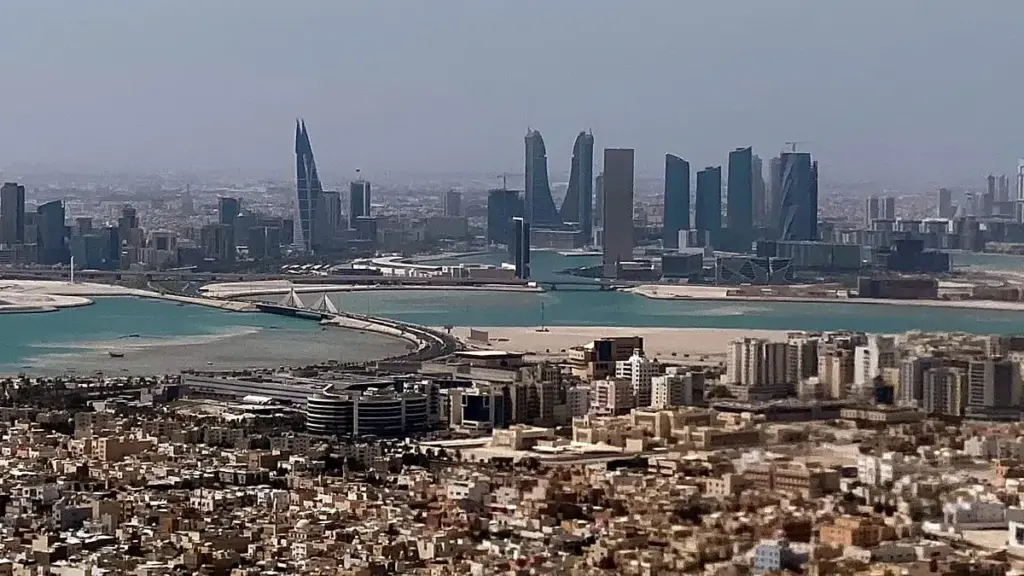
The Iranian attack on Bahrain’s refinery complex is part of a broader campaign against regional energy infrastructure, which has raised alarms among neighboring countries and international markets. Bahrain, despite being one of the Gulf’s smallest oil producers, plays a strategically significant role in the region.
Bapco’s refinery capacity was recently boosted to up to 380,000 barrels per day, making this attack particularly impactful. The surge in Brent crude prices, which has seen a 60% increase since February 28, reflects the market’s reaction to these developments.
According to reports, 32 people were wounded in the Iranian attack on a residential area in Bahrain, further complicating the humanitarian aspect of the conflict. Bahrain’s population of 1.6 million and its 760 square kilometers of territory are now under increased scrutiny as the situation unfolds.
Bapco Energies remarked, “Our group operations have been affected by the ongoing regional conflict in the Middle East and the recent attack on our refinery complex.” This statement encapsulates the uncertainty facing energy producers and the potential for further disruptions.
As the situation develops, the implications for global energy markets remain uncertain. Details remain unconfirmed regarding the full extent of damage and the timeline for restoring operations at the affected facilities.