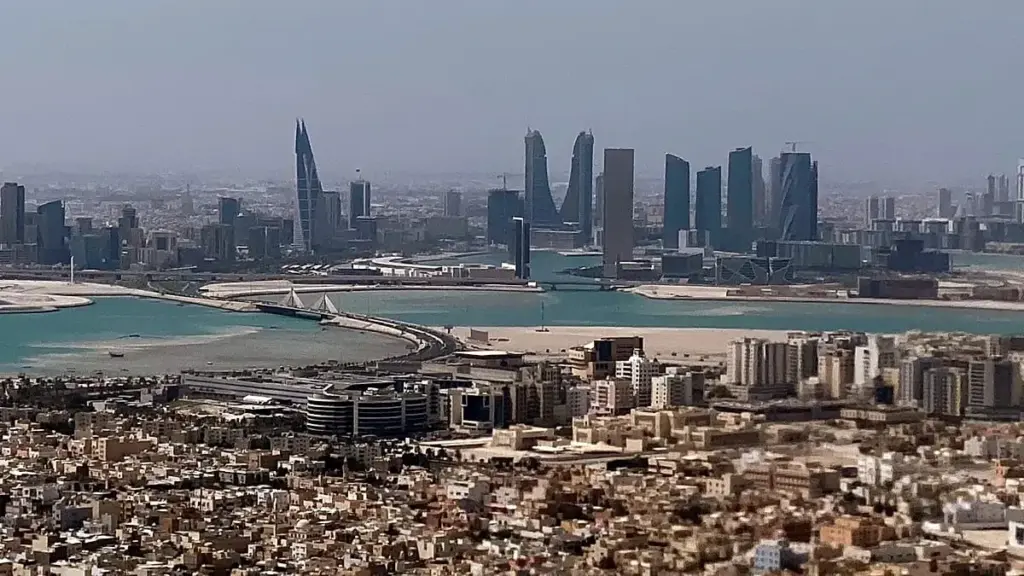
Impact of Force Majeure on Bahrain’s Oil and Gas Sector
The recent declarations of force majeure by Bapco Energies and QatarEnergy have sent shockwaves through Bahrain’s oil and gas sector, following an Iranian attack that set Bapco’s only refinery ablaze. This incident not only disrupted oil shipments but also highlighted the vulnerabilities of regional energy infrastructure amid ongoing conflicts.
The attack on March 9, 2026, resulted in a fire at the Al-Ma’ameer oil facility, though fortunately, no casualties were reported. Bapco Energies confirmed that despite the attack, domestic market needs remained fully secured, indicating a robust response to the crisis.
In addition to Bapco, QatarEnergy also declared force majeure after two of its liquefied natural gas facilities were struck. This series of events has raised alarms about the stability of energy supplies in the region, prompting Kuwait to follow suit by declaring force majeure on its oil sales after cutting output at its fields and refineries.
The repercussions of these attacks have been immediate and significant. Brent crude prices surged above $114 a barrel, marking a 60% increase since February 28. This spike underscores the market’s sensitivity to geopolitical tensions and the potential for further disruptions in oil supply.
Bapco’s refinery capacity was recently enhanced to handle up to 380,000 barrels per day, a critical asset for Bahrain, which, despite being one of the Gulf’s smallest oil producers, plays a strategically significant role in the region’s energy landscape.
The Iranian attack on Bahrain’s refinery complex is part of a broader campaign targeting regional energy infrastructure, raising concerns about the future stability of oil and gas production in the area. Bapco Energies stated that its operations have been adversely affected by the ongoing regional conflict in the Middle East.
As the situation develops, the implications for Bahrain’s energy sector and the global oil market remain uncertain. The potential for further attacks or escalations could lead to additional force majeure declarations, affecting supply chains and pricing structures worldwide.
Details remain unconfirmed regarding the full extent of the damage and the timeline for recovery. With Bahrain’s population of 1.6 million and an area of 760 square kilometers, the impact of these events resonates beyond just the energy sector, affecting the broader economy and daily life.
As stakeholders monitor the situation, the legal implications of force majeure provisions will be scrutinized, as they provide a framework for addressing the fallout from such unforeseen events. The legal definition of force majeure frees parties from liability when failure to meet contractual obligations results from events beyond their control.
The coming days will be critical in assessing the long-term effects of these developments on Bahrain’s oil and gas industry and the regional energy landscape as a whole.