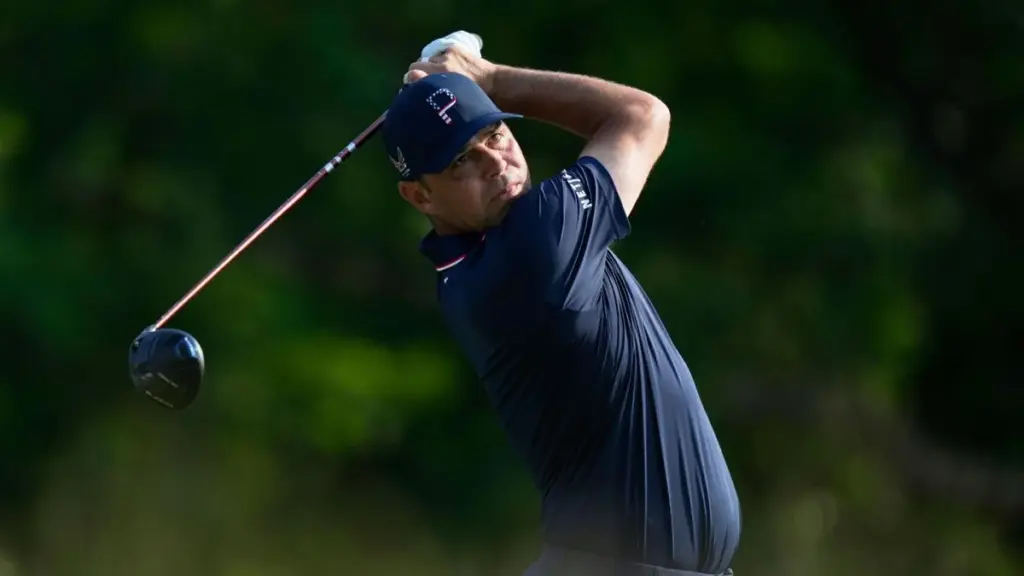
Gary Woodland Opens Up About His PTSD Diagnosis
In a revealing statement, professional golfer Gary Woodland disclosed his diagnosis of post-traumatic stress disorder (PTSD) following a significant medical procedure. The announcement comes after Woodland underwent brain surgery in September 2023 to remove a lesion pressing on his brain. This diagnosis, which he received about a year prior, has profoundly affected his life and career.
At 41 years old, Woodland has been candid about his mental health struggles, particularly in the wake of his surgery. He returned to the PGA Tour at the start of 2024, but not without facing challenges. During the 2025 Procore Championship, he experienced symptoms of PTSD, which he described as feeling like he was “dying” and “living a lie.” These sentiments highlight the ongoing battle he faces even as he competes professionally.
Woodland’s journey with PTSD began after his surgery, which he has openly linked to his mental health challenges. He has expressed that the pressure of maintaining appearances and the stigma surrounding mental health in sports can be overwhelming. “I can’t waste energy anymore hiding this, and I’m blessed with a lot of support out here on the Tour,” Woodland stated, emphasizing the importance of support systems in dealing with such issues.
His candidness is a significant step towards normalizing discussions about mental health within athletics. Woodland’s experience is not isolated; many athletes face similar challenges, often in silence. By sharing his story, he hopes to inspire others who may be struggling with PTSD or other mental health issues to seek help and support.
In addition to personal struggles, Woodland has received support from the PGA Tour, which has implemented extra security protocols to ensure his well-being during events. This support is crucial, as it allows him to focus on his game while managing his mental health. Woodland has expressed gratitude for the assistance he has received, stating, “In an ideal world I’m probably not playing,” indicating the extent of his challenges.
Woodland’s commitment to helping others is evident in his desire to raise awareness about PTSD. He recognizes that while he must prioritize his own health, sharing his experiences can benefit others. “I want to help people, too. I realize now I’ve got to help myself first,” he remarked, underscoring the importance of self-care in the healing process.
As he continues his journey on the PGA Tour, Woodland’s story serves as a reminder of the complexities of mental health, particularly in high-pressure environments like professional sports. His openness about his diagnosis and the challenges he faces is a significant contribution to the ongoing conversation about mental health awareness in athletics. Details remain unconfirmed regarding the broader implications of his experiences, but his willingness to speak out is a step towards fostering a more supportive environment for all athletes.