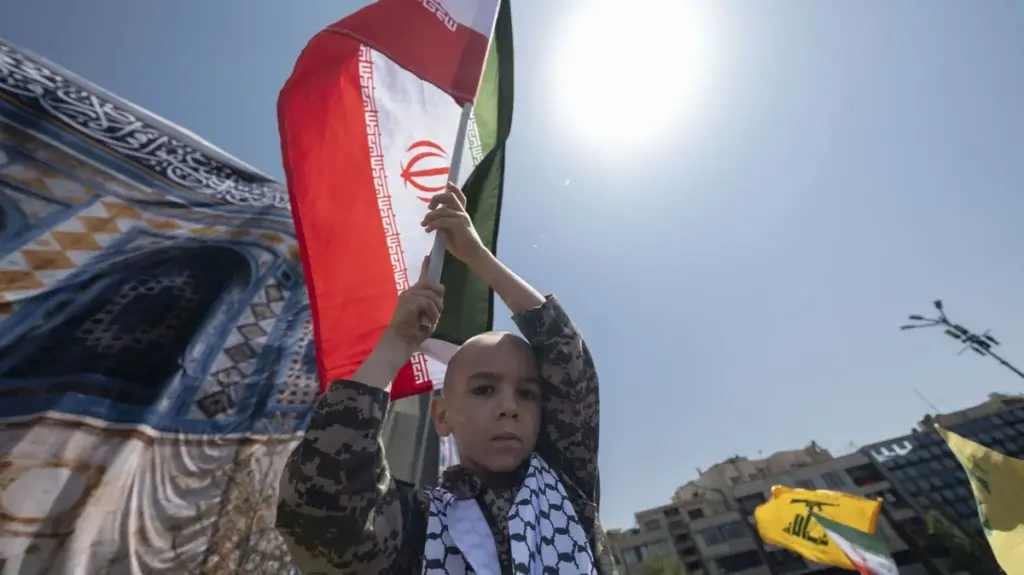
Reaction from the field
The ongoing Iran War has reached a critical juncture, with significant ramifications for the Middle East and global energy markets. As Iran intensified its attacks on energy sites across Gulf countries, including a Saudi refinery and facilities in Qatar and Kuwait, the stakes have never been higher. These assaults are seen as a direct retaliation for an Israeli strike on Iran’s main gas field, escalating tensions that have already led to devastating consequences for civilians and economies alike.
Since the onset of hostilities on February 28, the situation has deteriorated rapidly. The Brent crude oil price surged to $114 per barrel, marking a staggering increase of over 57% since the war began. This spike in oil prices is a clear indicator of the conflict’s impact on global markets, raising concerns about energy security and the stability of maritime routes in the Gulf.
The human cost of the conflict is equally alarming. Reports indicate that over 1,300 people have been killed in Iran during the war, a tragic toll that reflects the intense violence and unrest within the country. Additionally, the conflict has displaced more than 1 million Lebanese due to Israeli strikes, further exacerbating the humanitarian crisis in the region.
As the conflict escalates, the repercussions are being felt beyond Iran’s borders. In Israel, 15 people have lost their lives from Iranian missile strikes, while at least 13 American soldiers have also been killed during the ongoing conflict. These casualties underscore the war’s far-reaching implications and the potential for further escalation.
Israeli officials have stated that their airstrikes, particularly those targeting the South Pars gas field shared with Qatar, are intended to deepen damage to Iran’s military capabilities. This aggressive stance has drawn strong condemnation from Iranian leaders, who have warned of uncontrollable consequences if such attacks continue. The Iranian government executed three men arrested during national protests in January, a move that has sparked outrage and further unrest among the populace.
Saudi Arabia’s Foreign Minister expressed grave concerns, stating that the assaults against the kingdom have completely annihilated any remaining trust in the region. The ongoing conflict has not only strained diplomatic relations but has also heightened fears of a broader regional war, with the potential for other nations to become embroiled in the violence.
As the situation evolves, the international community watches closely, with former President Donald Trump warning that the United States would respond decisively to any further Iranian aggression. The uncertainty surrounding the conflict leaves many questions unanswered, particularly regarding the potential for a diplomatic resolution or the likelihood of further military actions.
Details remain unconfirmed, but the humanitarian and economic impacts of the Iran War are becoming increasingly evident. As the conflict continues to unfold, communities across the region are left grappling with the consequences of a war that shows no signs of abating.