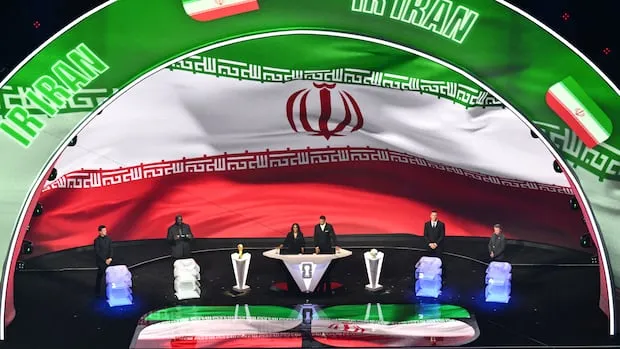
Will Iran be able to participate in the 2026 World Cup?
The question of whether Iran can participate in the 2026 FIFA World Cup has become increasingly complex following recent military actions against the country. As it stands, Iran’s participation is highly unlikely due to U.S. military actions and the resulting political climate.
Iran’s Supreme Leader, Ayatollah Ali Khamenei, was killed in U.S. and Israeli airstrikes, which have also resulted in the deaths of more than 1,300 Iranian civilians since February 28. In light of these events, Iran’s sports minister, Ahmad Donyamali, has stated unequivocally, “Considering that this corrupt regime has assassinated our leader, under no circumstances can we participate in the World Cup.” He further emphasized that the safety of Iranian children is at risk, stating, “Our children are not safe and, fundamentally, such conditions for participation do not exist.”
Initially, Iran was scheduled to compete in Group G alongside Belgium, Egypt, and New Zealand, with their first group-stage game set for June 15 in Los Angeles. However, the escalating violence and political tensions have cast a shadow over their participation. FIFA regulations indicate that teams withdrawing from the tournament may face fines and sanctions, with a minimum fine of 250,000 Swiss francs (approximately 320,800 USD) for such actions.
Historically, Iran has participated in six World Cups, including the last three in a row, marking a significant presence in international soccer. Interestingly, FIFA President Gianni Infantino noted that U.S. President Donald Trump had welcomed the Iranian team to compete in the tournament, which adds another layer of complexity to the situation. However, the Iranian Football Federation has not confirmed the team’s participation following the recent attacks.
As the situation develops, it remains uncertain whether Iran will ultimately withdraw from the tournament or if diplomatic efforts may pave the way for their participation. The Iranian Football Federation’s silence on the matter only adds to the ambiguity surrounding their potential involvement.
Moreover, the ongoing conflict has led to significant casualties, with reports indicating that over 12,000 people have been wounded since the airstrikes began. With two wars forced upon Iran in the span of eight or nine months, the nation is grappling with not only the immediate impacts of military actions but also the long-term implications for its international sporting engagements.
As the World Cup approaches, the final decision on Iran’s participation remains unconfirmed. The international community watches closely, as the outcome could have broader implications for Iran’s standing in global sports and its international relations.