Breaking Development
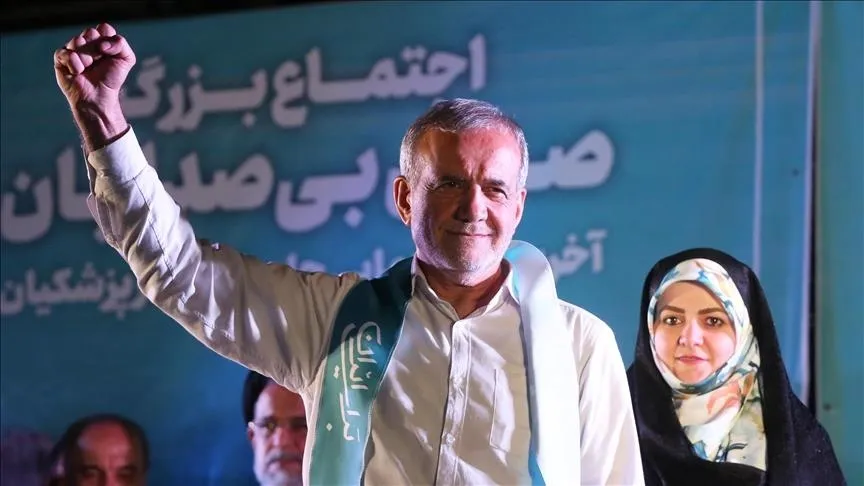
On March 7, 2026, Iranian President Masoud Pezeshkian publicly apologized to Gulf states for missile and drone strikes originating from Iran. This apology comes amid escalating tensions in the region and has sparked significant backlash from hardliners within Iran.
Immediate Circumstances
Pezeshkian’s statement included a commitment that Iran would not launch attacks on neighboring countries unless provoked. However, this conciliatory approach has been met with resistance, particularly from military leaders who contradicted his remarks. The Revolutionary Guard, which oversees Iran’s ballistic missiles and military strategy, has expressed strong opposition to any perceived weakness.
The apology occurs in a climate of internal division following the death of Supreme Leader Ayatollah Ali Khamenei, which has left the Iranian leadership council in a state of flux. The ongoing conflict has already claimed at least 1,230 lives in Iran, with additional casualties reported in Lebanon and Kuwait due to military actions linked to the tensions between Iran, the United States, and Israel.
In response to Pezeshkian’s apology, former U.S. President Donald Trump warned that Iran would face severe consequences, stating that the country would be ‘hit very hard.’ This warning underscores the precarious nature of Iran’s international relations, particularly with the U.S. and Israel, who have targeted Iran’s military capabilities in recent conflicts.
Pezeshkian’s apology included a plea for Gulf states not to align with U.S.-Israeli military actions against Iran. However, the internal backlash suggests a significant divide in Iran’s approach to foreign policy, with hardliners emphasizing a more aggressive stance. Gholam Hossein Mohseni-Ejei, a prominent figure in Iran’s leadership, remarked, “The geography of some countries in the region — both overtly and covertly — is in the hands of the enemy,” indicating a belief that Iran must remain vigilant against perceived threats.
Details remain unconfirmed regarding the Gulf states’ response to Pezeshkian’s apology and the potential implications for Iran’s military strategy moving forward. As the situation develops, the Iranian leadership faces the challenge of reconciling differing viewpoints within its ranks while navigating a complex geopolitical landscape.