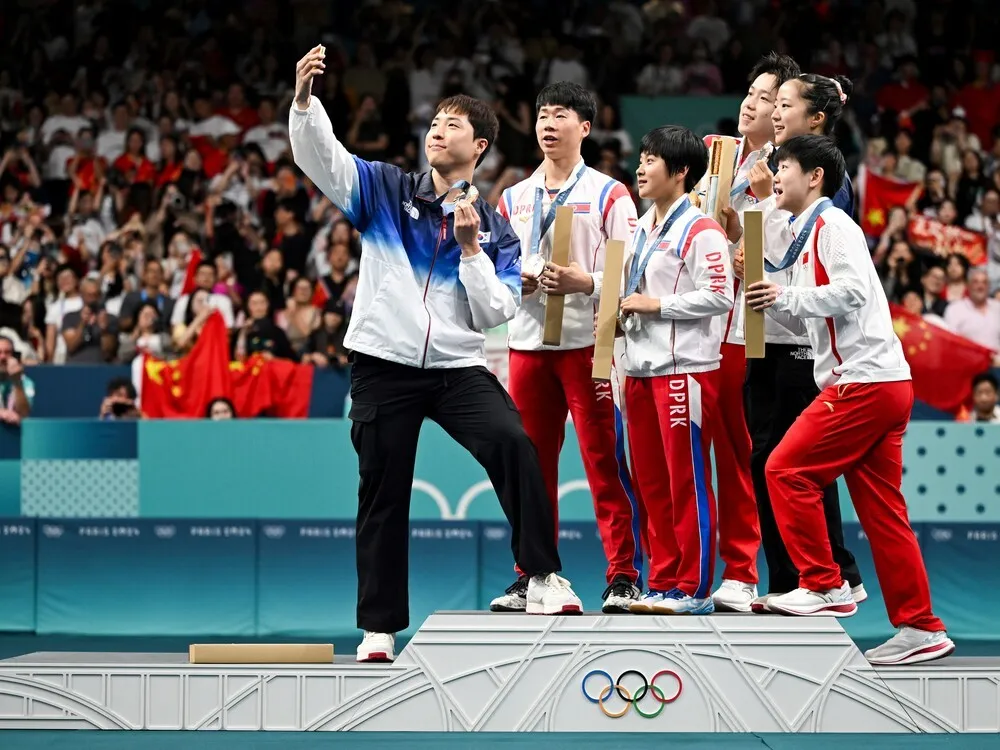
The Importance of North Korea’s Olympic Participation
The Olympics represent a platform uniting nations through sports, celebrating athletic excellence and fostering peace and diplomacy. North Korea’s involvement in the Olympics has historically sparked discussions regarding international relations, showcasing the country’s athletic talents while highlighting its complex geopolitical stance.
Historical Background of North Korea in the Olympics
North Korea made its Olympic debut in 1964 at the Tokyo Summer Olympics, competing under the name “Democratic People’s Republic of Korea”. Since then, North Korea has participated in a total of 10 Summer Olympics, winning a modest number of medals—most prominently during the 1972 Munich Games when the country claimed its first gold medal in weightlifting.
However, North Korea has been notably absent from some Olympics due to political tensions. For instance, it did not participate in the 1988 Seoul Olympics, opting to boycott the event while tensions were high between North Korea and South Korea. The absence reflects the ongoing rivalry and complicated relationships in the region.
North Korea’s Recent Olympic Participation
In recent years, North Korea has participated in the Olympics sporadically. The nation’s last appearance was at the 2020 Tokyo Olympics, held in 2021 due to the pandemic. North Korea’s delegation consisted of a handful of athletes, including those in weightlifting and taekwondo, but their participation was overshadowed by the refusal to send their athletes, citing COVID-19 concerns. The boycott fueled debates about the country’s stringent internal measures and fears of international scrutiny.
Current Status and Future Prospects
As of now, the question of North Korea’s participation in the upcoming Paris 2024 Olympics remains uncertain. The country’s consistent absences due to political reasons and the ongoing global health crisis heighten the unpredictability of its Olympic future. However, the International Olympic Committee continues to extend invitations to North Korea, hoping to integrate it into the global sporting community.
Conclusion
The situation concerning North Korea’s participation in the Olympics is reflective of broader geopolitical tensions. While the nation has significant athletic talent, continued isolation policies hinder its participation in international sports. Observers believe that whether North Korea participates in the 2024 Olympics may symbolize potential shifts in diplomatic relations. For readers, understanding North Korea’s relationship with the Olympics can provide insight into the geopolitics of the region and its impact on global sporting events.