Introduction
The participation of nations in the Olympics is often viewed as a symbol of peace, unity, and global cooperation. However, North Korea’s involvement in the Olympic Games has been sporadic and complicated, influenced by its political climate and international relations. Understanding North Korea’s Olympic presence is essential not only for sports enthusiasts but also for those interested in global politics.
North Korea’s Olympic History
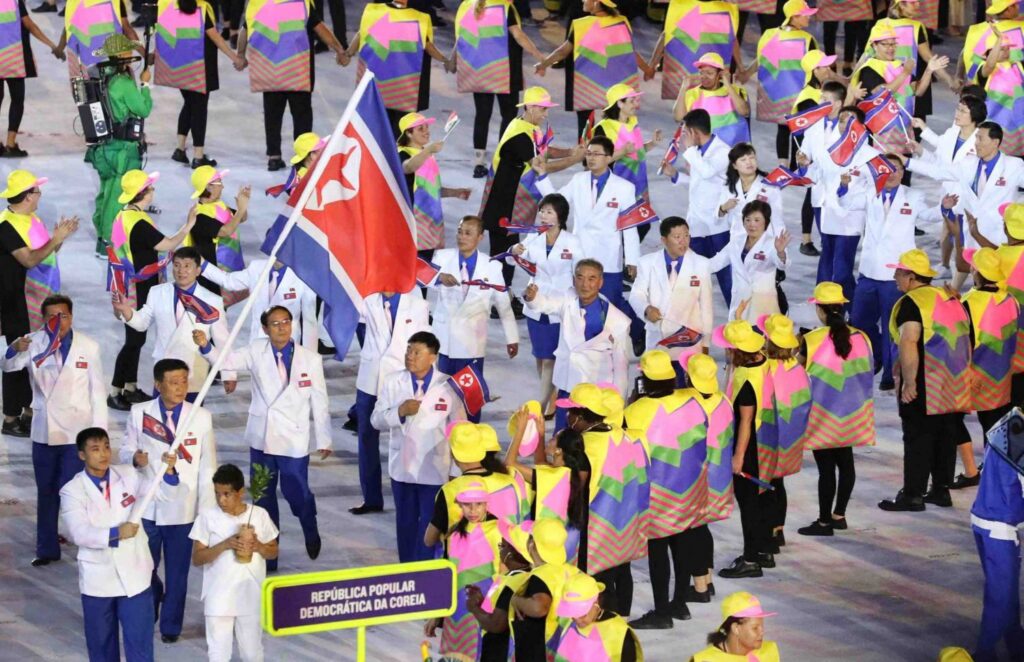
North Korea first participated in the Olympic Games in 1964 in Tokyo, and since then, it has attended multiple Summer and Winter Games. The country boycotted the 1988 Seoul Olympics, protesting the South Korean regime, but returned to the Olympic fold in subsequent Games. In recent years, North Korean athletes have made headlines, with notable performances in sports like weightlifting, wrestling, and judo.
Recent Developments
As of 2023, North Korea’s participation in the Olympics remains uncertain, largely due to the ongoing political tensions on the Korean Peninsula and the country’s self-imposed isolation during the COVID-19 pandemic. The 2022 Beijing Winter Olympics saw the North Korean contingent abstain from participation, citing safety concerns stemming from the pandemic. This marked a significant absence, given their historically small but impactful representation.
Implications and Analysis
The absence of North Korean athletes from international competitions raises questions about the country’s future in the Olympic movement. Political analysts suggest that participation can serve as a strategic tool for North Korea to gain political leverage and promote a favorable image on the global stage. However, the nation’s insistence on isolation complicates this potential.
Conclusion
While the global community looks forward to the next Olympic Games, North Korea’s participation remains questionable. The implications of their involvement stretch beyond sports, intersecting with global diplomacy and human rights discussions. The future may hold opportunities for engagement; however, significant changes in the political climate will likely dictate North Korea’s role in future Olympic events. As the Games continue to be a platform for unity and competition, North Korea’s decision will undoubtedly impact its international relations and global sporting reputation.