Introduction
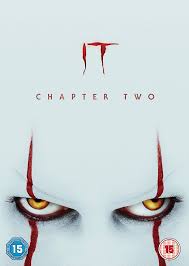
Released in 2019, IT Chapter 2 is a sequel to the highly successful adaptation of Stephen King’s novel, IT. This horror film holds significant relevance as it explores the intricate themes of memory, trauma, and the passage of time. The film delves into the lives of the Losers’ Club as they reunite to face the monstrous Pennywise, challenging both their childhood fears and adult realities. As one of the noteworthy entries in contemporary horror cinema, its cultural impact warrants exploration.
Overview of IT Chapter 2
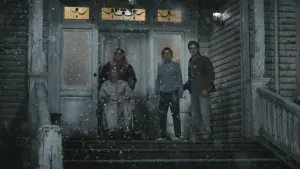
The film, directed by Andy Muschietti, brings back iconic characters played by a talented cast, including Jessica Chastain, James McAvoy, Bill Hader, and Isaiah Mustafa. IT Chapter 2 follows the Losers’ Club approximately 27 years after their initial battle against Pennywise, who has resurfaced in the town of Derry, Maine. The film emphasizes how the trauma instilled in the characters during their childhood continues to affect their adult lives.
Thematic Depth
The central theme of IT Chapter 2 is the power of memory and the impact of trauma. Each character must confront their past, making it a poignant reminder of how unresolved childhood fears can linger into adulthood. The film also challenges viewers to consider the nature of evil, which not only manifests in the form of Pennywise but also in the dark corners of human experiences and relationships.
Box Office Performance
Upon its release, IT Chapter 2 achieved impressive box office results, grossing over $472 million worldwide, making it one of the highest-grossing horror films ever. The film’s success can be attributed to the strong nostalgia it evokes among audiences and its ability to attract both fans of the original miniseries and new viewers. The film’s large scale and visual effects elevated the horror experience, setting a high standard for the genre.
Conclusion
In conclusion, IT Chapter 2 serves not only as a chilling horror film but also as a profound exploration of enduring trauma and the confrontation of past demons. As it cemented its position within the horror film landscape, it sparked discussions about the psychological depth often found in genre cinema. Looking ahead, the film’s success suggests a continued interest in adaptations of horror literature, as audiences eagerly anticipate how future filmmakers will explore similar complex themes.