Introduction
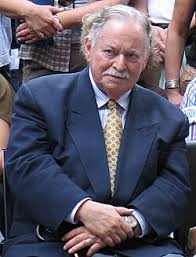
Jacques Parizeau remains a prominent figure in Quebec’s political history, remembered for his passionate advocacy for Quebec sovereignty and his role in shaping the province’s political landscape. As the premier of Quebec from 1994 to 1996, Parizeau’s term was marked by significant events that continue to influence debates surrounding Quebec’s identity and its position within Canada.
Political Career and Sovereignty Movement
Born on August 9, 1930, in Montreal, Parizeau was educated at the prestigious Collège Jean-de-Brébeuf and later studied at the Université de Montréal and the London School of Economics. His early career was in economics, where he served as an influential figure within the Quebec government.
Parizeau’s foray into politics began with the Parti Québécois (PQ), a political party that seeks Quebec’s independence from Canada. He was first elected as an MNA in 1966 and soon became a key advisor to then-premier René Lévesque. His commitment to Quebec’s sovereignty was evident in the 1995 referendum, where he served as the leader of the PQ. Despite a close outcome—50.58% voted against independence—the referendum marked a pivotal moment in Quebec’s political history.
Challenges and Legacy
Parizeau’s tenure was not without challenges; he faced criticism and political backlash during and after the referendum. His comments after the vote, which suggested the loss was due to the influence of “money and the ethnic vote,” led to significant controversies and perceptions of divisiveness. Nevertheless, his resolve and dedication to the cause of Quebec sovereignty left an indelible mark on Quebec politics.
After resigning as premier, Parizeau remained active in intellectual and political discussions, offering insights into Quebec’s future and its ongoing identity struggles. He authored several works dissecting economic and political issues in Quebec and Canada, advocating for a inclusive approach to Quebec’s sovereignty.
Conclusion
Jacques Parizeau passed away on June 1, 2020, but his legacy persists in contemporary discussions about Quebec’s identity, sovereignty, and its role in Canada. His life’s work continues to provoke thought about governance and the relationship between Quebec and the rest of Canada. As Quebec navigates its future, Parizeau’s influence on the political stage serves as a reminder of the complexities and challenges facing the province. The ongoing relevance of these discussions highlights the significance of his contributions and the continuing engagement of Quebecers with the issues he championed.