Introduction
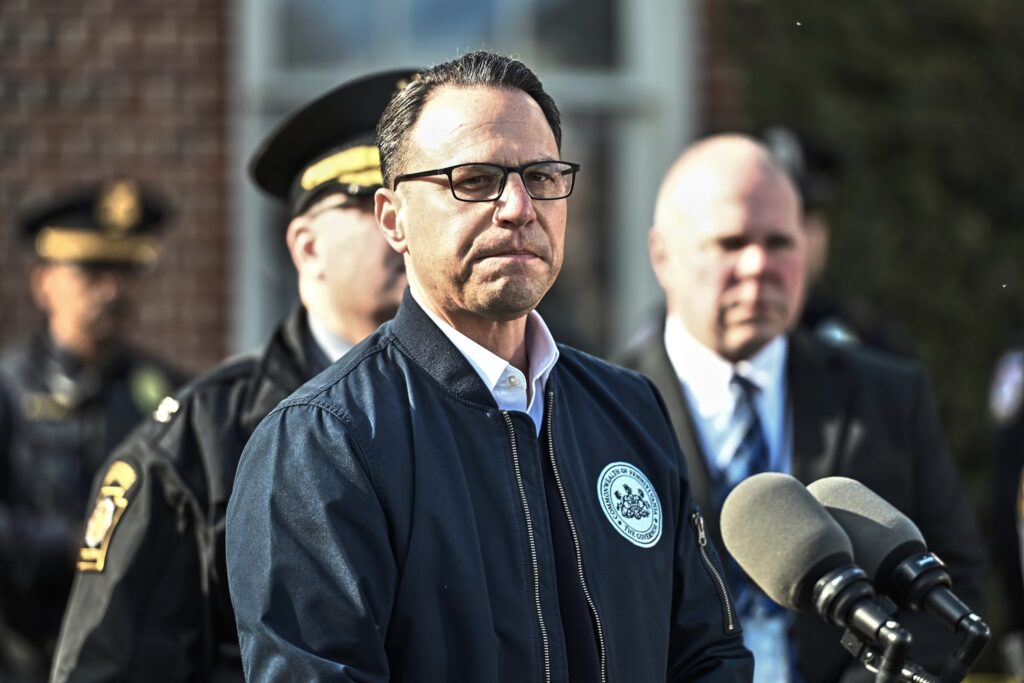
Josh Shapiro, the Governor of Pennsylvania, has gained significant attention due to his proactive approach in addressing pressing issues faced by the state. His leadership is crucial not only for the citizens of Pennsylvania but also serves as an example for other states navigating similar challenges. As the state responds to economic, social, and environmental issues, Shapiro’s policies and decisions will shape the future of the Keystone State.
Background and Rise to Governorship
Josh Shapiro was elected as Pennsylvania’s 48th governor in November 2022, succeeding Tom Wolf. Before his governorship, Shapiro served as the Attorney General of Pennsylvania, where he was known for his strong stances on consumer protection and social justice. His experience in legal and governmental fields laid a strong foundation as he transitioned to the role of governor, positioning him to address the needs and interests of a diverse population.
Key Initiatives and Policies
Since taking office, Shapiro has prioritized several key initiatives including educational reform, healthcare access, and economic development. One of his significant proposals includes increasing funding for public schools to ensure equitable education across urban and rural districts. Additionally, he has emphasized expanding healthcare services, especially in underrepresented communities, aiming to reduce disparities worsened by the COVID-19 pandemic.
Recent Developments
In recent months, Governor Shapiro has also tackled challenges like the opioid crisis with comprehensive strategies involving law enforcement and health services. His administration has worked hand-in-hand with local authorities to implement programs aimed at reducing overdose deaths, including providing better access to addiction treatment and preventive services.
Conclusion
As Governor Josh Shapiro continues to implement his policies and initiatives, the residents of Pennsylvania are watching closely. His ability to effectively respond to both immediate and long-term challenges will play a critical role in defining his legacy as a leader. Furthermore, his approach could set precedents for future governors not only in Pennsylvania but across the nation. Observers anticipate that his tenure will spark discussions on governance strategies that prioritize community engagement and social equity.