The Indian cricket team made history by securing a record-breaking third T20 World Cup title and becoming the first team to defend the title on home soil. This victory, achieved by defeating New Zealand by 96 runs, was celebrated across the nation.
Following the triumph, Team India took the trophy to a Hanuman temple in Ahmedabad, a gesture that has sparked significant discussion.
Recent Developments
Kirti Azad, a former cricketer and member of the 1983 World Cup-winning team, criticized this decision, asserting that the trophy belongs to 1.4 billion Indians of every faith. He stated, “The Trophy Belongs to 1.4 BILLION Indians of EVERY Faith — NOT ONE RELIGION’S VICTORY LAP!” Azad emphasized that sports transcend religious and caste boundaries, declaring, “A sportsperson or sports does not belong to any religion or caste but only to the sport.”
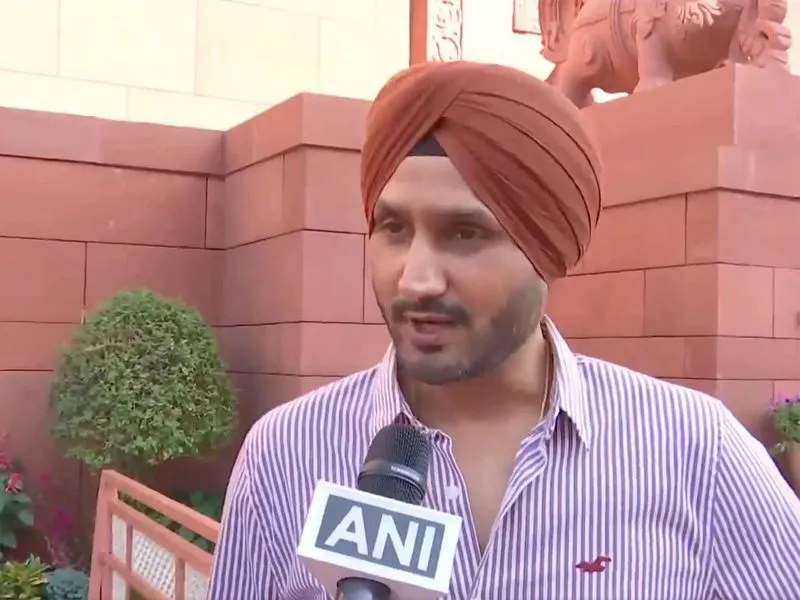
In response to Azad’s remarks, former cricketer Harbhajan Singh defended the team’s actions, calling the criticism absurd. He remarked, “It’s absurd that someone is politicising the players taking the trophy to a temple.” Singh further noted that if the players sought blessings after their victory, there should be no issue with their actions.
Reactions and Implications
The debate surrounding the temple visit has drawn varied reactions from fans and former players alike. While some support Azad’s viewpoint, others believe the team has the right to celebrate their victory in a manner that resonates with their personal beliefs.
Additionally, Harbhajan Singh expressed disappointment regarding the Board of Control for Cricket in India (BCCI) announcing a prize money of Rs 131 crore for the team, suggesting the focus should remain on the players’ achievements rather than financial rewards.
As discussions continue, observers note that this incident highlights the intersection of sports and cultural practices in India. The differing opinions reflect broader societal views on religion and nationalism in the context of sports.
Details remain unconfirmed regarding any potential changes in how future victories may be celebrated by the team, but the conversation surrounding this event is likely to persist in the public discourse.