Introduction
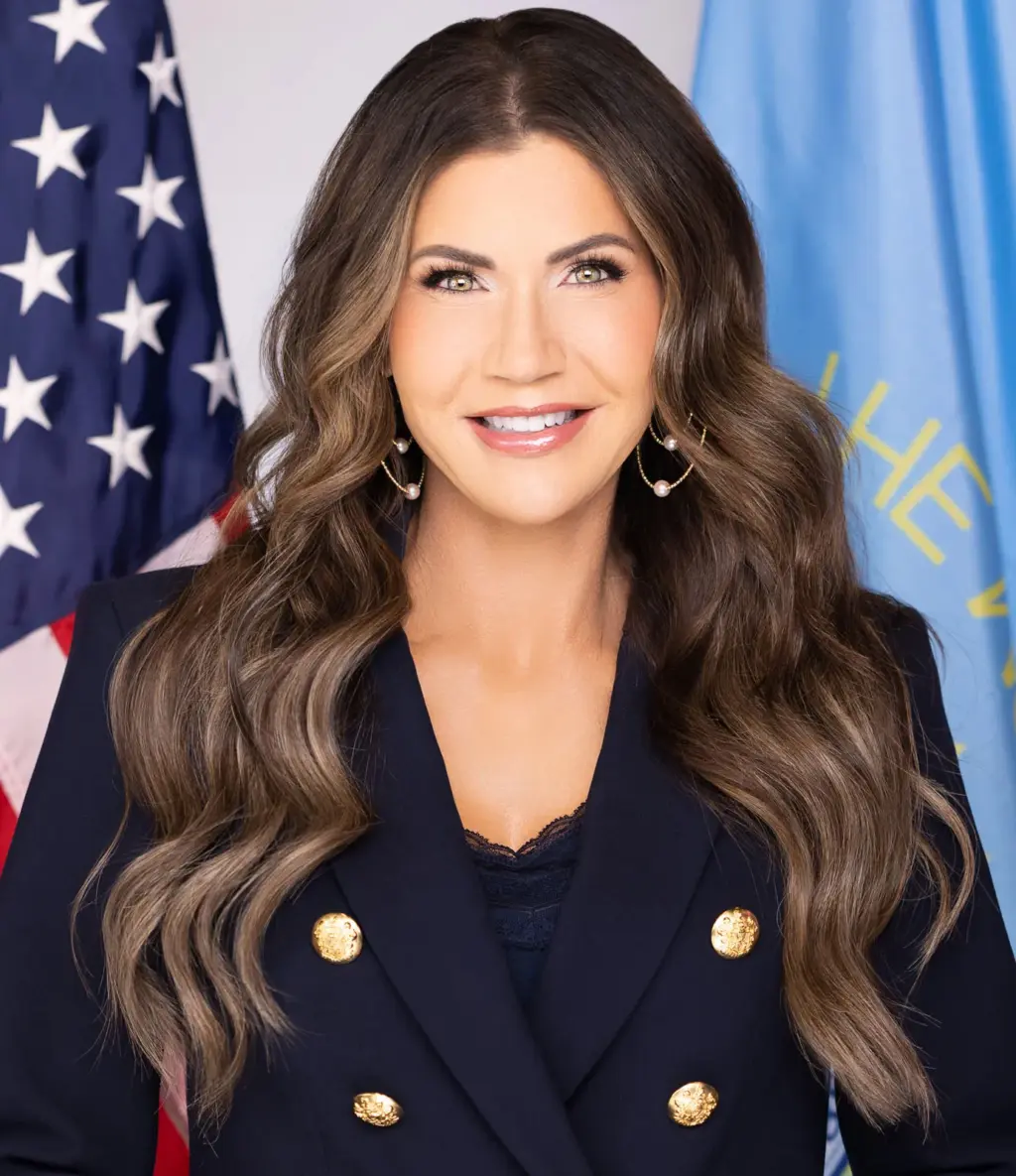
Kristi Noem, the Governor of South Dakota, has emerged as a prominent political figure in the United States. Her leadership style and policies have garnered both praise and criticism, making her a significant person in contemporary American politics. In a rapidly changing political landscape, her decisions and statements impact not only her state but also the national discourse.
Background
Noem, who became the state’s first female governor in 2019, has a history of public service, having served in the U.S. House of Representatives from 2011 to 2019. Her tenure in Congress saw her align closely with conservative values, advocating for agriculture, healthcare, and Second Amendment rights—issues of great importance to her constituents in the rural state of South Dakota.
Policies and Actions
Under her leadership, South Dakota has had a distinctive approach to handling the COVID-19 pandemic. Noem opted not to implement statewide mask mandates or business closures, arguing for personal freedom and responsibility. This decision positioned her as a defender of individual liberties and earned her a significant following among conservatives across the nation, but it also sparked controversies regarding public health impacts.
In addition, Noem has focused on economic development within the state. She has promoted tax cuts and streamlined business regulations, stating that these measures are intended to attract new companies and investments to South Dakota. Her administration has actively pursued opportunities to increase agricultural exports and enhance the state’s tourism industry, especially with attractions like Mount Rushmore.
Recent Developments
As the 2024 presidential election approaches, Noem’s name has surfaced more frequently in political discussions. She is seen as a potential candidate for the Republican nomination, given her growing national profile, especially among grassroots conservatives. In recent months, she has spoken at various GOP events and has been active in promoting conservative policies both locally and nationally.
Conclusion
Kristi Noem represents a new breed of Republican leadership, one that strongly advocates for personal liberties while balancing economic growth. Her influence is likely to expand as the political climate evolves leading into the next presidential election, making her a figure to watch in upcoming years. For those invested in American politics, understanding Noem’s governance and her potential impact at the national level is imperative.