Understanding Kung Hei Fat Choi
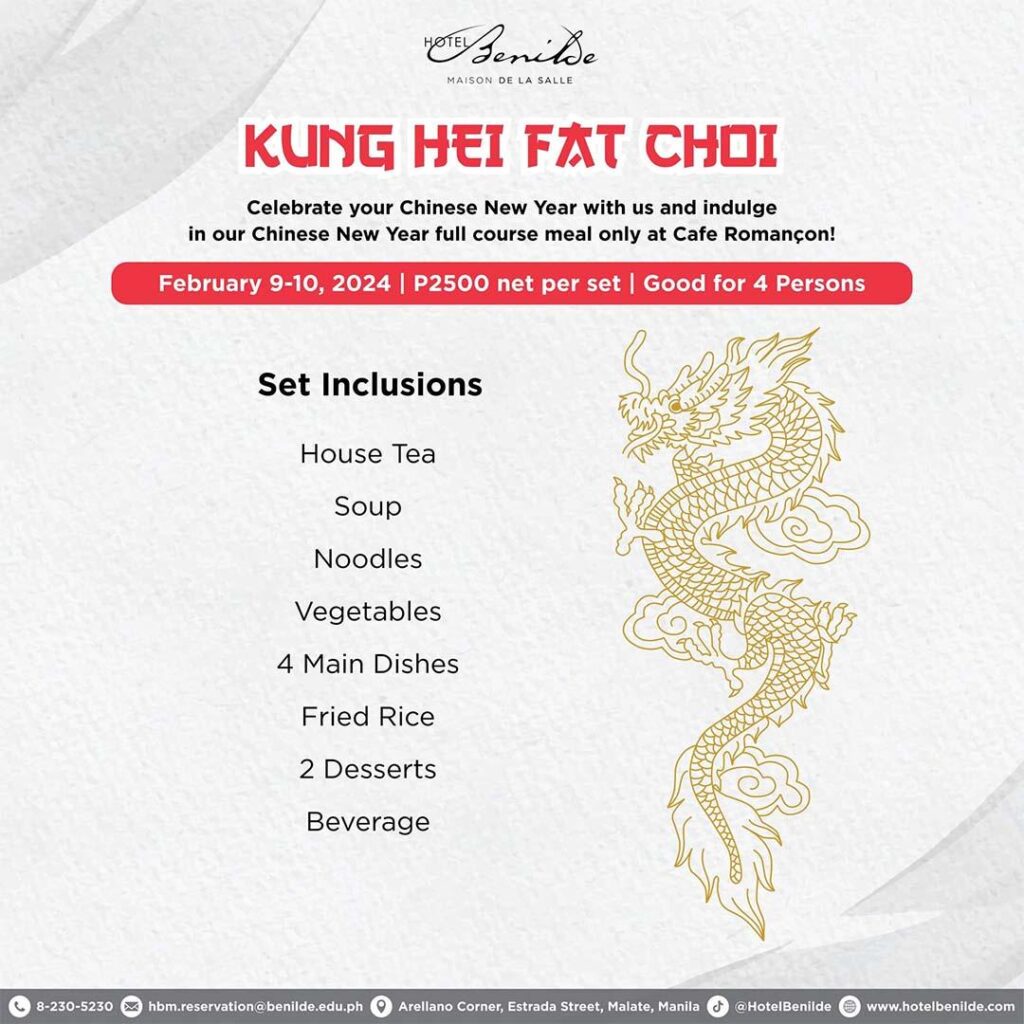
‘Kung Hei Fat Choi’, meaning ‘wishing you prosperity’, is a traditional Cantonese greeting exchanged during the Lunar New Year celebrations. This festive occasion marks the beginning of the lunar calendar, which typically falls between January 21 and February 20. As one of the most significant celebrations in Chinese culture, the Lunar New Year is a time for family reunions, traditional feasts, and various cultural practices aimed at attracting good fortune.
Cultural Significance and Traditions
The theme of prosperity and wealth during this time is underscored by various customs. Families clean their homes to sweep away bad luck and make room for incoming good fortune. The preparation often starts days before the celebrations, culminating in a festive reunion dinner on New Year’s Eve.
Some of the most recognized traditions include wearing red clothing, decorating homes with red lanterns and banners, and giving out red envelopes (known as ‘hongbao’) filled with money to children and young adults, representing good luck and wishes for prosperity. Feasting on traditional dishes like dumplings, fish, and rice cakes is also a central part of the celebration, each symbolizing different aspects of good fortune.
2024 Lunar New Year Celebrations
In 2024, the Lunar New Year falls on February 10, commencing the Year of the Dragon, which is considered one of the most auspicious zodiac signs. Celebrations are expected to be vibrant, especially in large metropolitan areas with significant Chinese communities, such as Vancouver, Toronto, and Montreal. Parades featuring lion dances, fireworks, and cultural performances will fill the streets as locals and visitors gather to celebrate.
Conclusion: The Significance of Kung Hei Fat Choi
Kung Hei Fat Choi is more than just a greeting; it embodies the spirit of renewal, family bonds, and community. As we approach the Year of the Dragon, this celebration invites everyone to reflect on the coming year’s potential and togetherness. Whether you’re part of the culture or simply an observer, this engaging celebration of life and good fortune is an opportunity to connect and enjoy the richness of Asian traditions.