Introduction
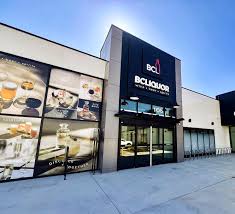
BC Liquor Stores, operated by the Liquor Distribution Branch of the British Columbia Ministry of Finance, play a crucial role in the retail alcohol environment in BC. They provide a regulated outlet for residents and tourists alike, ensuring the lawful sale and distribution of alcoholic beverages. As issues surrounding alcohol consumption, public health, and local economies continue to evolve, understanding the significance of these stores is more important than ever.
Recent Changes in Regulations
In recent months, BC Liquor Stores have responded to shifting consumer behaviors, particularly in the wake of the COVID-19 pandemic. With more consumers seeking convenient shopping options, the BC government has relaxed certain regulations, allowing for expanded operating hours and increased online sales capabilities. In April 2023, the government announced that all liquor stores could remain open until 11 PM on weekdays, which has been welcomed by many consumers. Furthermore, a pilot program allowing curbside pickup is being introduced in select locations to enhance convenience.
Community Impact and Responsibility
BC Liquor Stores are also committed to responsible service and community engagement. In 2022, the stores launched a campaign focused on public education around responsible drinking. This includes collaborating with local health organizations to provide resources and support for those struggling with alcohol dependency. Recent initiatives have included mental health workshops, outreach programs, and partnerships with local non-profits aimed at promoting healthier choices within communities.
Conclusion
The operations of BC Liquor Stores are a reflection of broader societal trends, with a growing emphasis on convenience, responsibility, and community engagement. As BC continues to adapt to new challenges and preferences in alcohol consumption, these stores remain pivotal to the province’s economy and public health discourse. Moving forward, it will be crucial to monitor how these stores will balance regulatory compliance with evolving consumer expectations, striving for an environment that promotes responsible drinking and community well-being.