Introduction
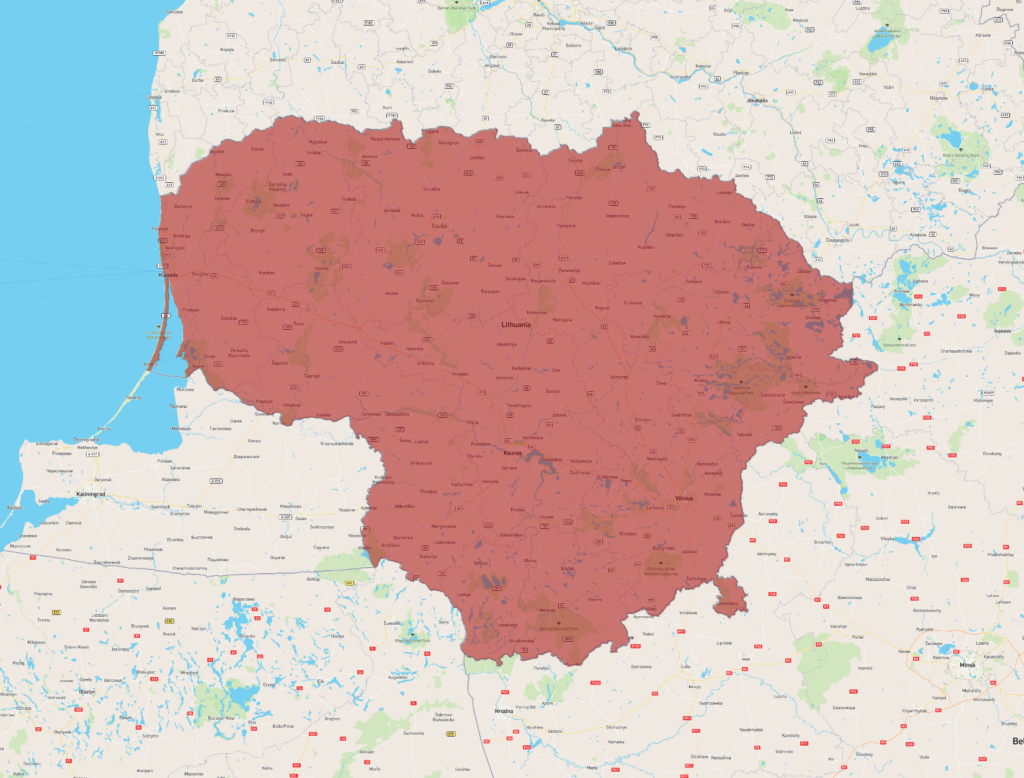
Lithuania, a Baltic state situated in Northern Europe, is increasingly recognized for its vibrant culture, economic growth, and strategic significance within the European Union (EU). As a member of the EU and NATO, Lithuania’s political and economic stability enhances both regional cooperation and security. In recent years, Lithuania has garnered attention for its robust digital economy, innovative industries, and cultural heritage, making it a notable player on the European stage.
Economic Growth and Innovation
In the past decade, Lithuania has experienced significant economic progress, with its GDP growing steadily. According to Eurostat, Lithuania’s GDP growth in 2022 was approximately 5.8%, making it one of the fastest-growing economies in the EU. The nation has established itself as a hub for startups, particularly in the tech industry, where companies like Vinted and Vilniaus Prekyba have gained international prominence.
Lithuania’s government has also launched initiatives to foster innovation, such as the “Startup Visa” program, which attracts international entrepreneurs to establish their businesses in the country. This influx of talent contributes to Lithuania’s reputation as a vibrant tech ecosystem, characterized by a strong emphasis on research and development.
Culture and Heritage
In addition to its economic advancements, Lithuania’s rich cultural tapestry is a point of pride for its citizens. The capital, Vilnius, is renowned for its well-preserved medieval architecture, earning it a UNESCO World Heritage designation. The city is home to various museums, art galleries, and cultural festivals that highlight Lithuania’s artistic achievements.
Furthermore, Lithuania’s diverse heritage reflects its historical connections with neighboring countries, particularly Poland and Latvia. Traditional crafts, folk music, and culinary practices continue to be celebrated, drawing both locals and tourists to explore the country’s cultural richness.
Geopolitical Significance
Strategically located at the crossroads of Western and Eastern Europe, Lithuania plays a pivotal role in regional security. The ongoing security challenges in Eastern Europe underscore the importance of NATO’s presence in the region, in which Lithuania has actively participated. The recent increased military cooperation with other NATO members aims to bolster defense capabilities against potential threats from neighboring Russia.
Conclusion
As Lithuania continues to develop its economy, promote its cultural heritage, and strengthen its geopolitical alliances, its importance within Europe will only grow. The nation exemplifies resilience and innovation, positioning itself as both a charming travel destination and an influential contributor to the European landscape. Moving forward, Lithuania is poised to navigate the complexities of an evolving geopolitical environment while fostering continued growth and collaboration in the region.