Introduction
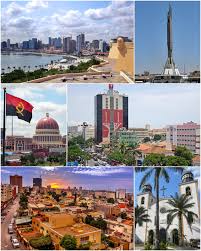
Luanda, the capital city of Angola, is a vibrant and rapidly evolving metropolis that plays a crucial role in the cultural and economic landscape of Africa. As one of the fastest-growing cities on the continent, Luanda has garnered international attention due to its dynamic sports, culture, and business developments. The significance of Luanda extends beyond its geographical location; it symbolizes the potential and resilience of Angola as it continues to recover from decades of civil conflict.
Economic and Urban Development
In recent years, Luanda has experienced an influx of investments, leading to an ambitious wave of urban development. Major international corporations are drawn to the city due to its strategic position along the Atlantic coast and its rich natural resources, particularly oil and diamonds. According to a report by Africa’s economic outlook, Angola’s GDP growth was approximately 1.2% in 2023, largely attributed to the oil sector and related industries.
Furthermore, the Angolan government has prioritized infrastructure projects, aiming to improve transportation networks, utilities, and housing. One of the most significant projects is the Luanda International Airport expansion, which is expected to increase capacity significantly to accommodate growing travel demands. The government’s commitment to developing the non-oil economy, including agriculture and tourism, emphasizes a shift towards diversification and sustainable growth.
Social and Cultural Aspects
Luanda is known for its rich cultural heritage, evident in its music, arts, and gastronomy. The city is famous for its traditional music genre, Kuduro, and vibrant street art scene, which continues to thrive as local artists express their experiences and aspirations through their work. Additionally, Luanda hosts numerous festivals that celebrate Angolan culture, attracting tourists and fostering a sense of pride among locals.
However, Luanda also faces significant challenges, including high living costs, inadequate public services, and limited housing availability. According to a Global Cities Report, Luanda ranks among the most expensive cities for expatriates, a reflection of its economic developments but also a challenge for residents. Efforts to develop low-cost housing solutions are underway, but progress remains a work in progress.
Conclusion
As Luanda continues to undergo transformation, it represents both the challenges and opportunities present in modern urban contexts. Its ongoing development showcases the resilience of its people and the potential of Angola as a whole. With increased foreign investments likely and diversification efforts becoming more pronounced, observers can expect Luanda to evolve into a key player on the African continent’s economic stage. For readers looking to understand the interplay of culture, economy, and development, Luanda serves as a vital case study of transformation in a post-conflict society.