Introduction
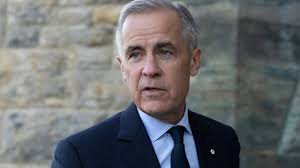
Mark Carney, a prominent figure in global finance, has played a pivotal role in shaping economic policy and governance during his tenure as Governor of the Bank of Canada and later as Governor of the Bank of England. His influence stretches beyond national borders, making him an important subject of analysis in today’s economic landscape. With the ongoing challenges posed by climate change, digital currencies, and global economic recovery following the COVID-19 pandemic, Carney’s insights have never been more relevant.
Career Highlights
Mark Carney began his professional journey after earning degrees in economics from Queen’s University and the University of Oxford. He joined the Bank of Canada in 2003, later becoming its governor in 2008. His ability to navigate through the 2008 financial crisis was widely recognized and showcased his competence in crisis management. In 2013, he was appointed as the Governor of the Bank of England, becoming the first non-British individual to hold the position.
Current Developments
In recent months, Carney has gained media attention for his work with the United Nations and his advocacy for sustainable finance. He co-chairs the Central Banks and Supervisors Network for Greening the Financial System, which is focused on addressing the financial risks associated with climate change. Carney has emphasized the financial industry’s role in combating climate issues, stating that “the transition to a net-zero economy will be the biggest investment opportunity of our time.” His commitments reflect the urgency with which global leaders are addressing these challenges.
Climate Financial Risk
Carney has also contributed significantly to discussions surrounding climate-related financial disclosures. He was instrumental in establishing the Task Force on Climate-related Financial Disclosures (TCFD), which encourages companies to disclose how climate change affects their financial situation. His work is vital as investors increasingly demand transparency on environmental, social, and governance (ESG) criteria.
Conclusion
Mark Carney’s career reflects a unique blend of financial acumen and a commitment to addressing pressing global issues. As the world navigates through uncertain economic waters and serious environmental challenges, his forward-thinking approach and dedication to sustainable finance will continue to shape policy discussions well into the future. By highlighting the significance of addressing climate change as an economic opportunity, Carney’s influence encourages businesses and governments to rethink their strategies for a sustainable and prosperous future.