Introduction
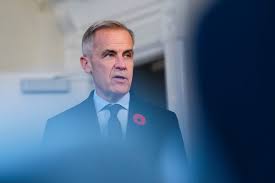
The federal budget is a pivotal document that outlines the government’s financial plan for the upcoming year, impacting everything from social services to economic growth. Recently, former Bank of England Governor Mark Carney provided critical insights into this year’s federal budget, emphasizing its implications on Canada’s recovery from the effects of the COVID-19 pandemic. Carney’s expertise in economic forecasting positions him as a significant commentator on fiscal policies, making his observations especially relevant for Canadians navigating a shifting economic landscape.
Key Insights from Mark Carney
Mark Carney has been vocal about the necessity of strategic public funding to stimulate recovery and support sustainable growth. In his recent discussions, he highlighted that exemplary fiscal policies should address not only immediate needs but also long-term climate commitments and economic inequalities. Carney pointed out that the federal budget must support investments in clean energy and modernization of infrastructure, which he believes are critical to preparing Canada for a green economy.
According to Carney, the budget should focus on fostering innovation and competitiveness in key industries, acknowledging that global markets are becoming increasingly competitive. He suggested that Canada must prioritize spending that boosts productivity and supports industries pivotal to future growth, such as technology and green energy.
Political and Economic Context
The context for Carney’s remarks is significant. As Canada grapples with inflation rates not seen in decades and the lingering effects of the pandemic, the federal budget becomes more than just a financial statement; it is a road map for recovery. Current Minister of Finance, Chrystia Freeland, is under pressure to balance fiscal responsibility with the urgent social needs amplified by the pandemic, including healthcare and social supports.
Carney also addressed the importance of addressing the rising costs of living in the federal budget. He stressed that the government should consider tax reforms and targeted support measures for the most vulnerable Canadians, particularly in light of the ongoing struggles associated with inflation.
Conclusion
As Canada prepares to implement its federal budget, Mark Carney’s perspectives serve as a reminder of the complexities involved in fiscal planning during tumultuous times. His advocacy for sustainable investment and equitable economic policies underscores the potential for the federal budget to either catalyze growth or fail to address the pressing challenges facing Canadians. Observers will be keen to see how Freeland integrates these recommendations as the budget unfolds, with implications undoubtedly resonating through Canadian society as we strive towards a more stable and inclusive future.