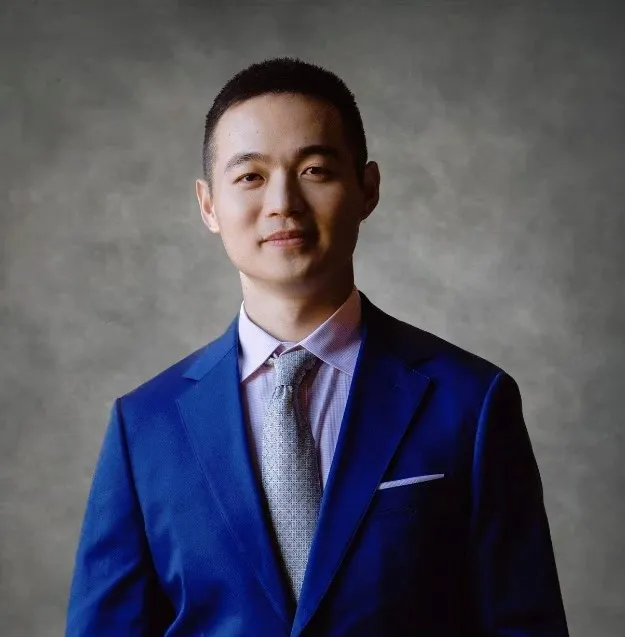
In a recent parliamentary committee meeting in Canada, Michael Ma, a Liberal MP who previously belonged to the Conservative Party, found himself at the center of controversy after questioning an expert about forced labour in China. This incident has reignited discussions about human rights issues, particularly regarding the treatment of Uyghurs in Xinjiang, which Canada’s Parliament declared as genocide in 2021.
During a session focused on the federal government’s electric vehicle policies, Ma posed a question to Margaret McCuaig-Johnston, an expert who collaborates closely with Human Rights Watch. He asked, “Have you witnessed forced labour in Shenzhen? Yes or no?” This line of questioning led to confusion about whether he was referring to Shenzhen, a city in southern China, or Xinjiang, the region where allegations of forced labour have been widely reported.
Margaret McCuaig-Johnston responded critically, stating, “It was a stupid question on his part, frankly.” The backlash against Ma’s remarks was swift, with many interpreting his questioning as an attempt to downplay the severity of forced labour allegations in China. In response to the criticism, Ma issued an apology, clarifying that he did not intend to diminish the gravity of the issue. He stated, “I regret this mistake and apologize to Ms. McCuaig-Johnston and my fellow committee members.”
In his defense, Ma’s office explained that he was employing a common tactic of asking short yes or no questions during the committee proceedings. However, the incident has raised questions about his stance on forced labour in China, as he did not confirm whether he believes such practices are occurring. Ma has previously condemned forced labour, stating, “I condemn forced labour, in all its forms.” Yet, the lack of clarity in his recent remarks has left many observers puzzled.
The United Nations has expressed ongoing concern regarding forced labour allegations in Xinjiang, where reports indicate that Uyghurs and other ethnic minorities are subjected to forced labor conditions. This context makes Ma’s comments particularly sensitive, as they touch upon a broader narrative of human rights violations in China. Observers are now closely monitoring how this situation will unfold, especially in light of Ma’s recent political shift; he crossed the floor to join the Liberals in December 2025.
As the discussion continues, it remains to be seen how this incident will impact Ma’s political career and the ongoing dialogue about human rights in Canada and abroad. The parliamentary committee’s focus on electric vehicle policies may now also serve as a platform for deeper discussions on ethical sourcing and the implications of forced labour in supply chains.
Details remain unconfirmed, but the reactions from both the public and political figures indicate a growing demand for accountability and clarity on issues of forced labour. As Canada navigates its relationship with China, the implications of this incident may resonate well beyond the walls of Parliament, affecting public perception and policy decisions in the future.