Introduction
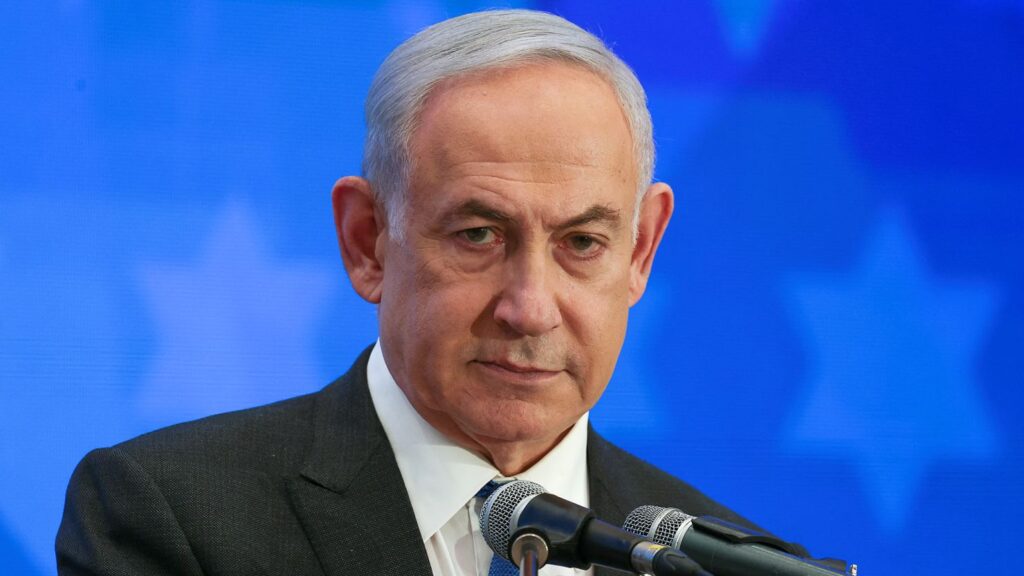
The political landscape in Israel has been significantly shaped by the leadership of Benjamin Netanyahu, the longest-serving Prime Minister in the country’s history. As current events unfold, understanding Netanyahu’s policies and decisions has never been more pertinent. His influence extends beyond domestic governance, impacting international relations and security in the Middle East.
Current Political Climate
As of late 2023, Benjamin Netanyahu finds himself navigating a tumultuous political terrain. Following the most recent elections, Netanyahu has faced challenges from both opposition parties and social movements advocating for justice and reform. His right-wing coalition government has stirred controversy, especially concerning proposed judicial reforms intended to curtail the power of the Supreme Court, which critics argue could undermine democracy.
Key Events
In October 2023, massive protests erupted against Netanyahu’s government, with tens of thousands of Israelis taking to the streets in cities like Tel Aviv and Jerusalem. The demonstrators voiced their discontent with perceived threats to democracy and the rule of law. In response, Netanyahu has reiterated his commitment to reform but emphasized that he aims to enhance Israeli governance without eroding democratic foundations.
Internationally, Netanyahu’s government has sought to strengthen ties with Gulf states, particularly in the wake of the Abraham Accords. However, the ongoing conflict with Hamas in the Gaza Strip remains a pressing issue, complicating diplomatic efforts and affecting regional stability. Netanyahu’s security policies are often scrutinized, especially during times of escalated violence.
Conclusion
As Benjamin Netanyahu continues to lead Israel, his policy decisions will remain pivotal in shaping the nation’s trajectory and its relationship with neighboring countries. Observers are keenly watching how he manages both internal opposition and external pressures. The implications of Netanyahu’s leadership extend well beyond Israel’s borders, impacting geopolitical dynamics in the Middle East and beyond. As we move into 2024, it is crucial for citizens, analysts, and policymakers alike to stay informed about these developments and their significance in a rapidly changing global landscape.